4 hr
Ston Oyster & Mussel Tasting with Wine on Pelješac Peninsula
- Entry ticket
- Mobile voucher
- Valid same day
- Free cancellation
Mali Ston Oyster Tour — Bay Boat Rides & Shellfish Tasting
Ropes lifted from cold green water, salt still on the shell.
Compare fares, pick the fit — all bookings are mobile-voucher and eligible for free cancellation where shown.
4 hr
8 hr
4 hr 30 min
| Experience | From | Duration | Rating | Pickup | Small group | Free cancel. | Price | |
|---|---|---|---|---|---|---|---|---|
|
Standard Entry
Most popular
Ston Oyster & Mussel Tasting with Wine on Pelješac Peninsula
|
— | 4 hr | ★ 4.9 | ✓ | — | ✓ | €155 | Book → |
|
Guided Experience
Pelješac Wine & Food Discovery from Dubrovnik
|
Dubrovnik | 8 hr | ★ 5.0 | — | ✓ | ✓ | €220 | Book → |
|
Standard Entry
Mali Ston Oyster Farm & Boat Tour from Dubrovnik
|
Dubrovnik | 4 hr 30 min | ★ 4.9 | — | ✓ | ✓ | €180 | Book → |
They complement each other, but most visitors who prioritize maritime immersion find the mali ston oyster tour the more sensory experience, while those favoring architectural heritage prefer the historic fortification route.
|
Top pick Oyster Boat Tour |
Walls & Salt Pans | |
|---|---|---|
| Primary Focus | Marine gastronomy | Military architecture and history |
| Terrain | Water and floating platforms | Steep stone stairs and paths |
| Physical Intensity | Low; seated | High; significant climbing |
| Duration | 1.5–2 hours | 1–2.5 hours |
| Core Experience | Oyster tasting and bay navigation | Walking ancient fortifications and salt production |
| See tickets & prices |
Verdict: The mali ston oyster tour tours offer a relaxing culinary exploration of the bay, whereas the walls serve as the premier choice for visitors seeking to secure mali ston oyster tour tickets for a physical journey through historic landmarks.
Hand-picked experiences loved by thousands of travelers
4.5 hours
Free Cancellation
Journey to a coastal oyster paradise, sample fresh shellfish on the water, and discover medieval fortifications
5 hours
Free Cancellation
Discover oyster farms by boat, sample fresh seafood with local wine, and explore Europe's longest fortifications
5 hours
Free Cancellation
Escape to Mali Ston Bay for fresh seafood, swimming, and authentic family hospitality on the water
6.5 hours
Free Cancellation
Discover authentic Dalmatian flavors with fresh oysters, local wines, and historic Ston
7 hours
Free Cancellation
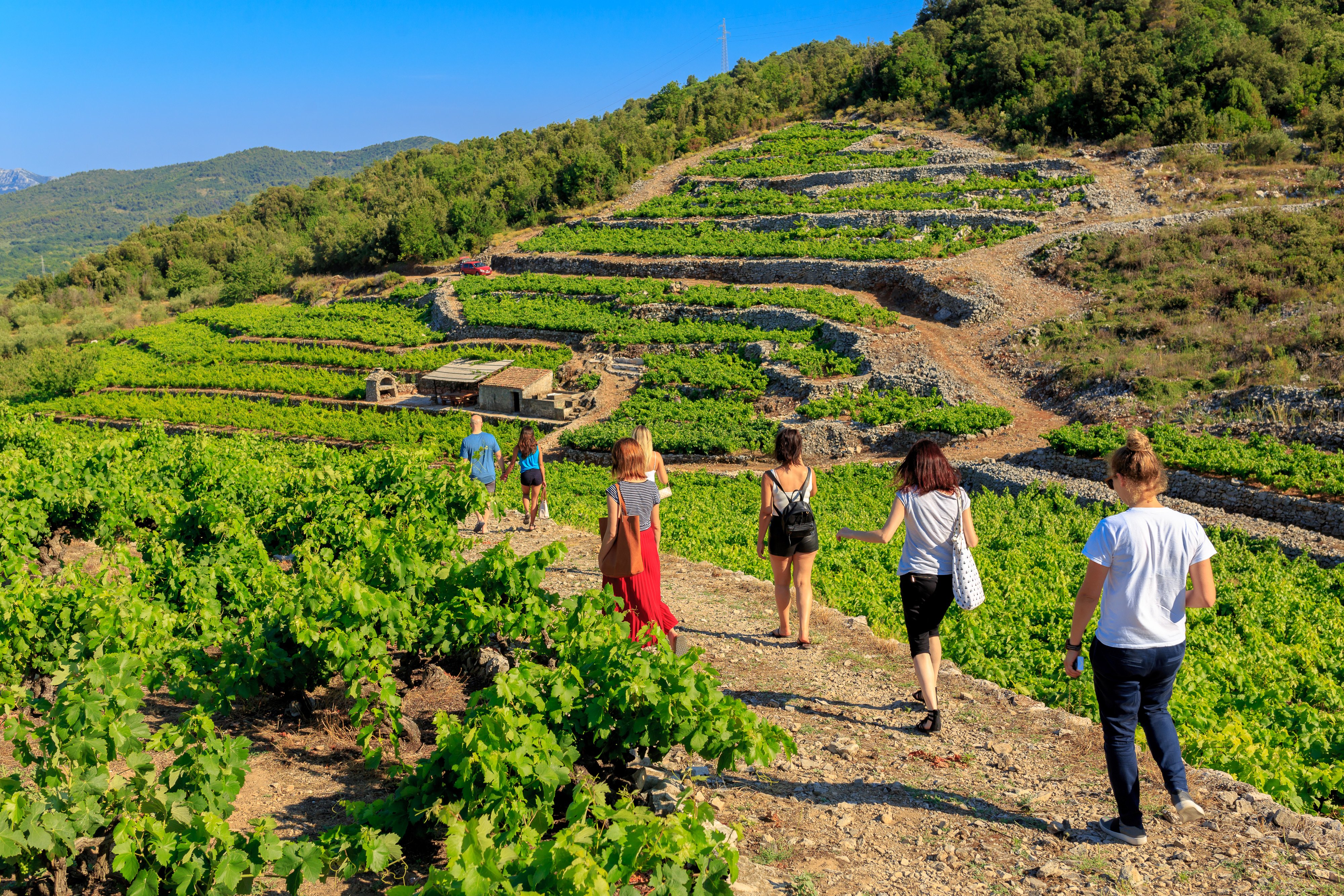
Savor the authentic tastes of Croatia's coast with oyster farm visits, olive grove walks, and winery tastings
10 hours
Free Cancellation
Explore medieval fortifications, sample fresh oysters, tour family wineries, and discover Marco Polo's birthplace
9 hours
Free Cancellation
Explore Croatia's premier wine region, medieval Ston's ancient walls, and historic Korčula on this full-day adventure
6 hours
Free Cancellation
Journey to historic Ston and Mali Ston Bay for fresh oyster tastings amid stunning coastal scenery
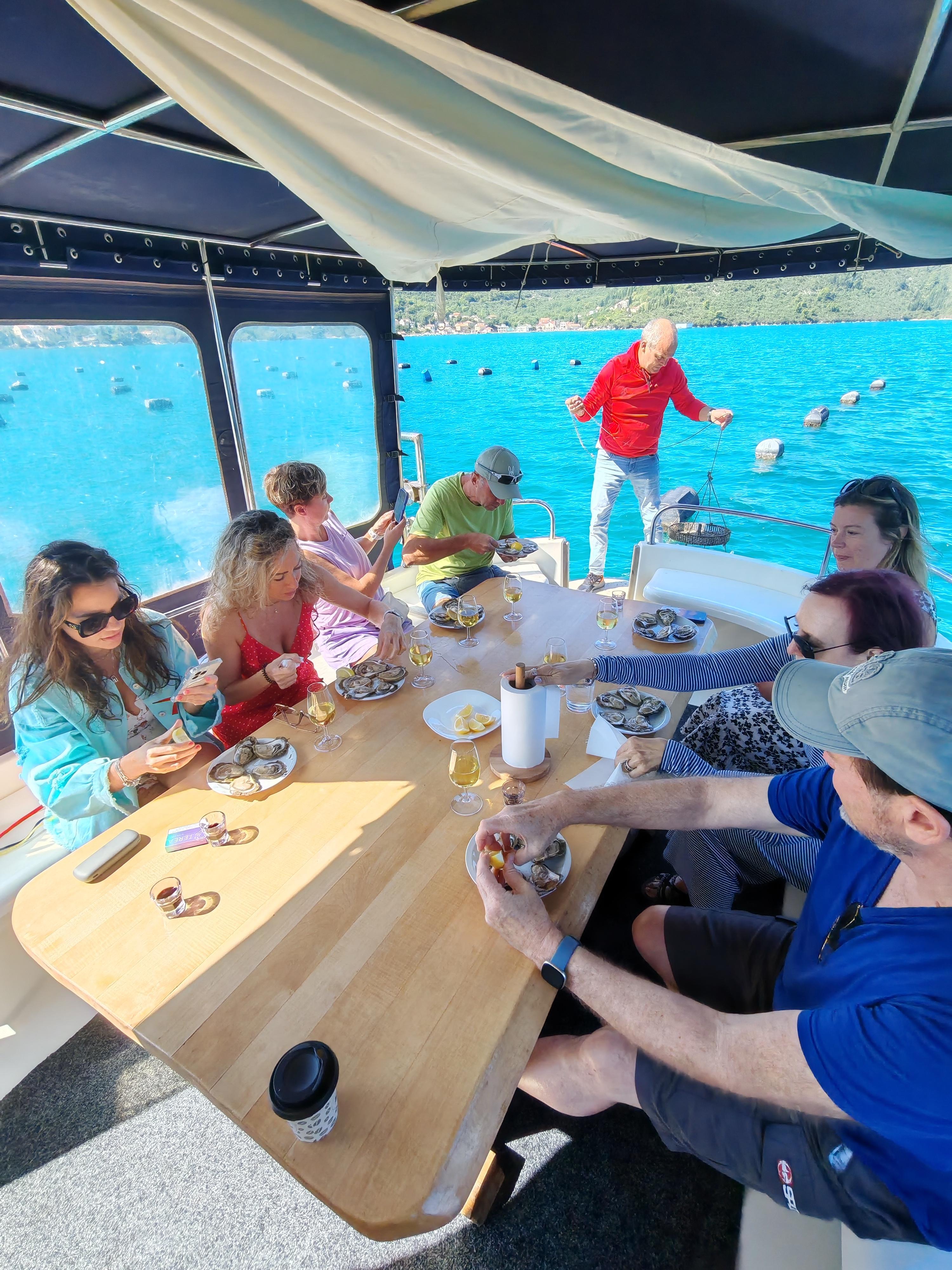
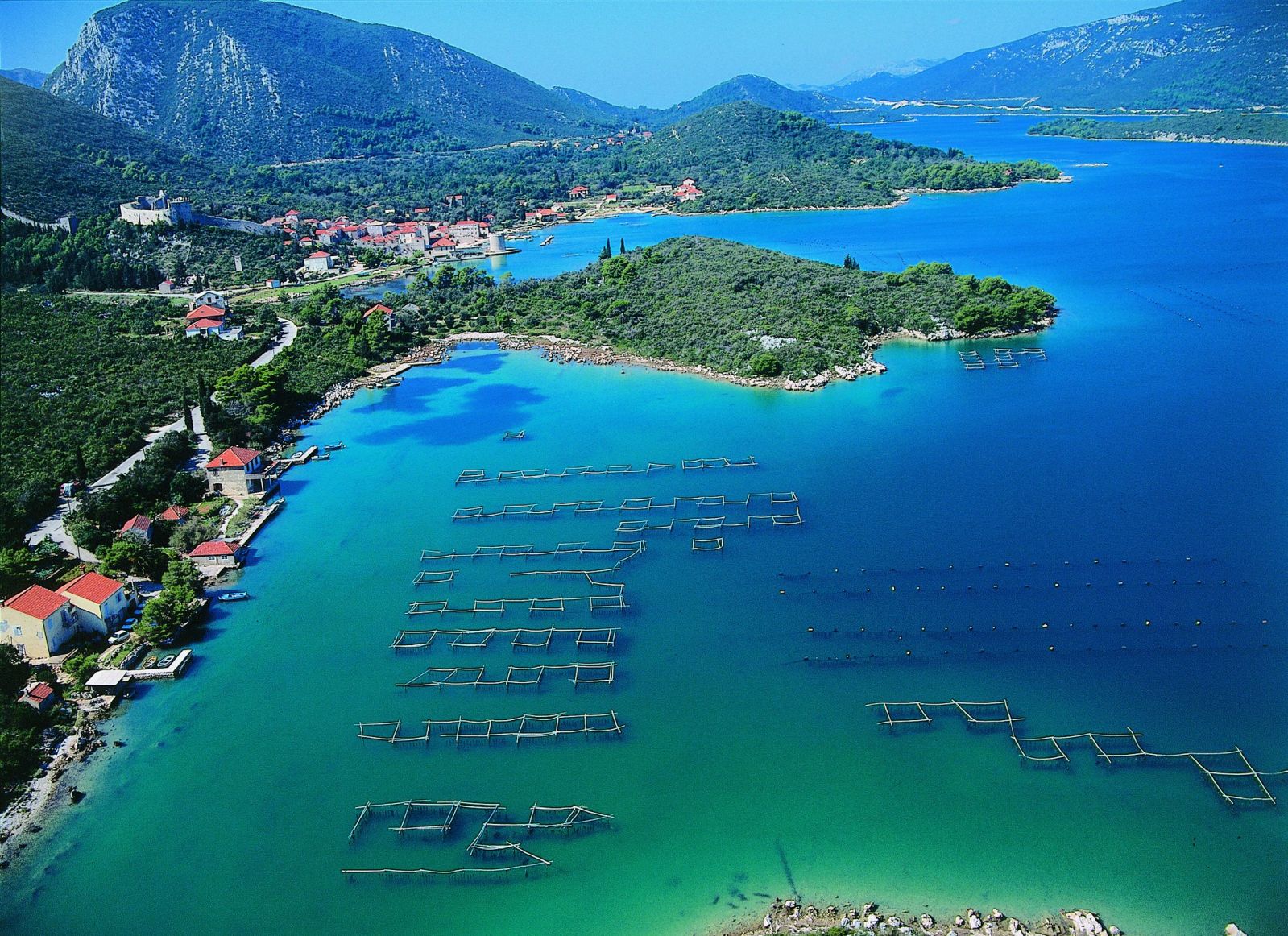
Taste freshly harvested shellfish served directly on the water from a traditional boat setup.
The bay features a unique blend of freshwater and saltwater, ideal for cultivating the native Ostrea edulis.
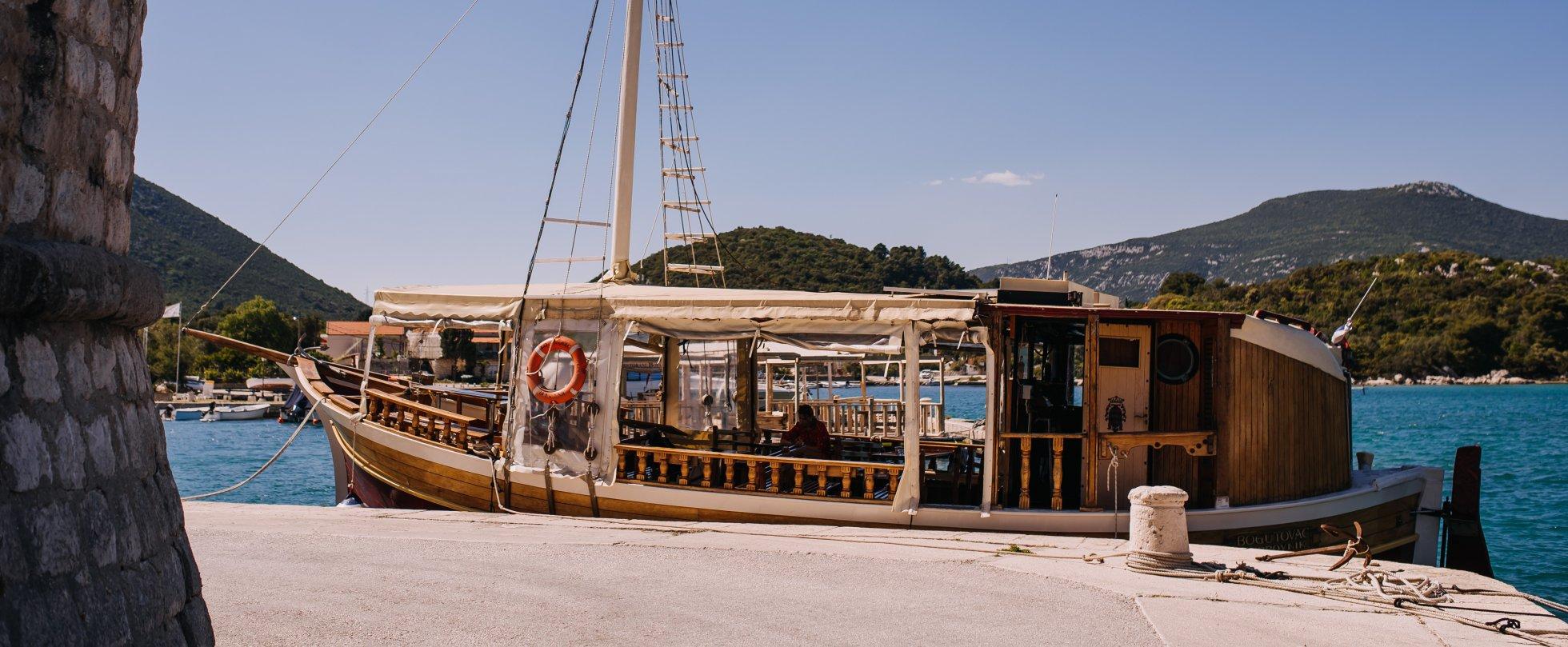
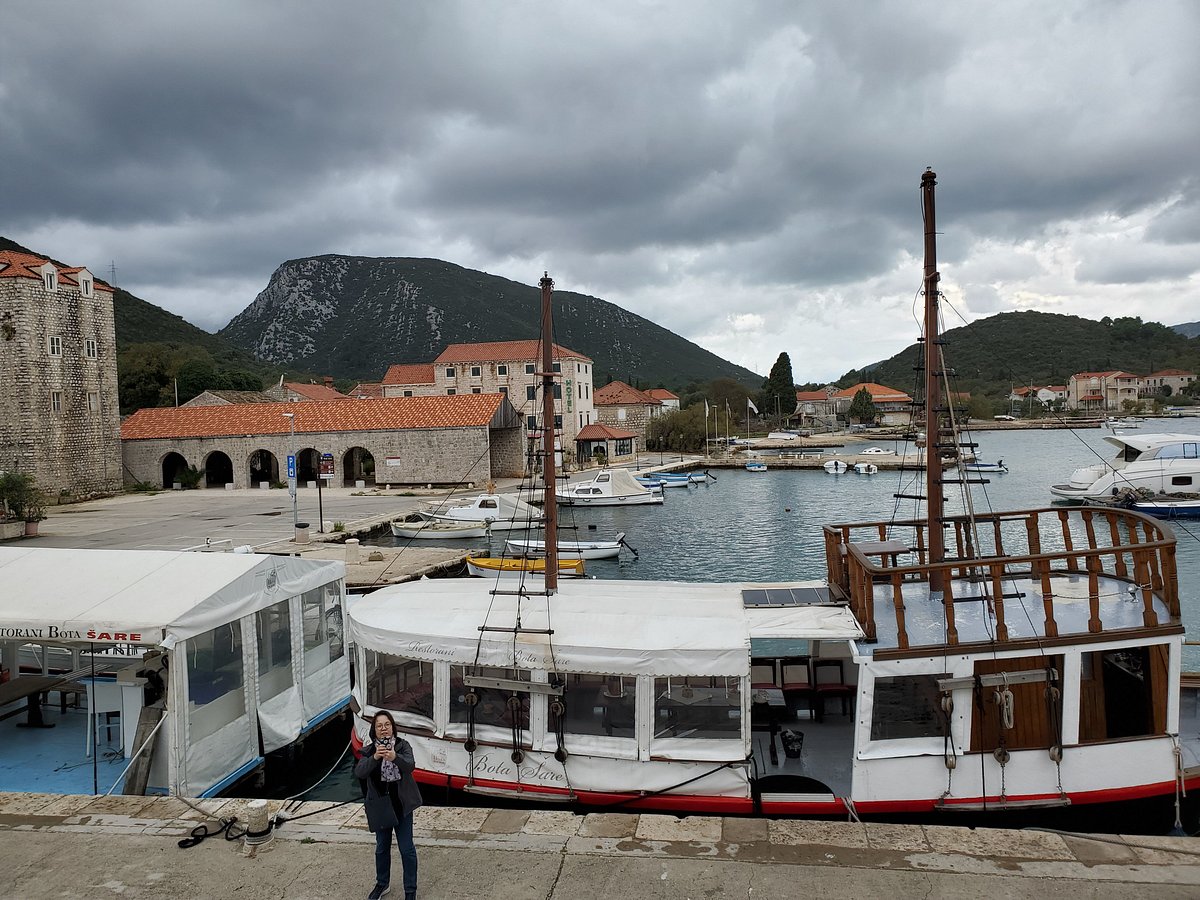
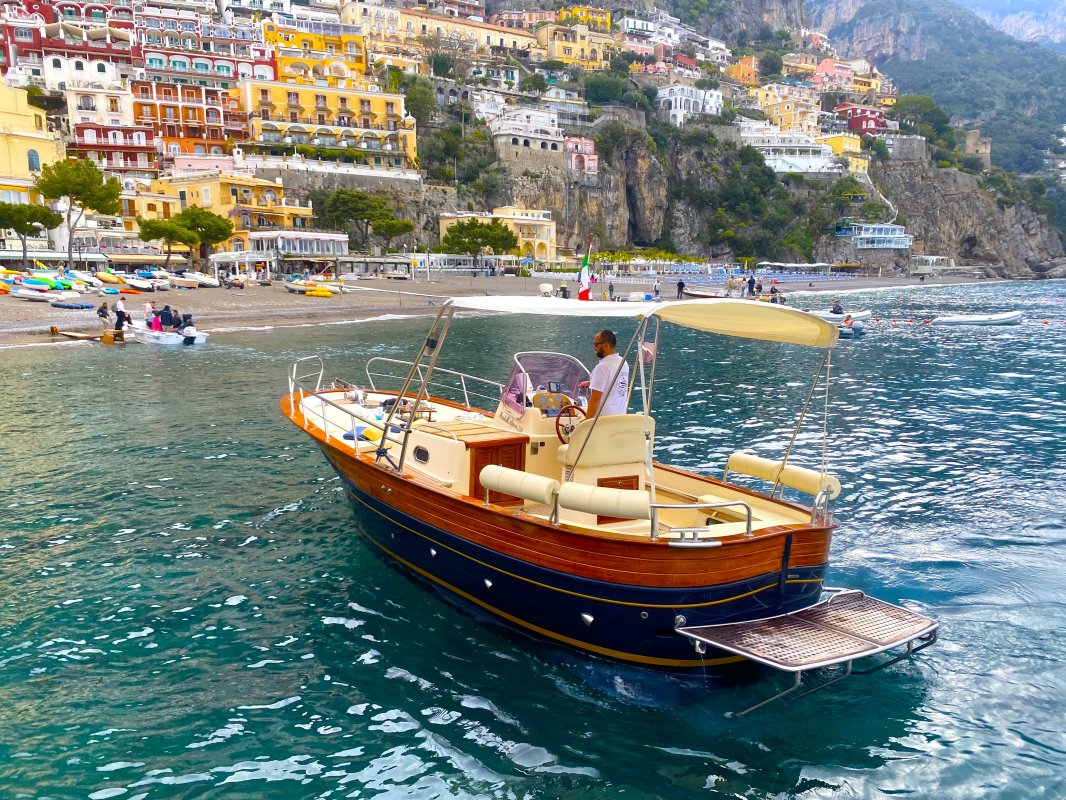
These vessels are used for navigating the shallow farming areas during your mali ston oyster tour.
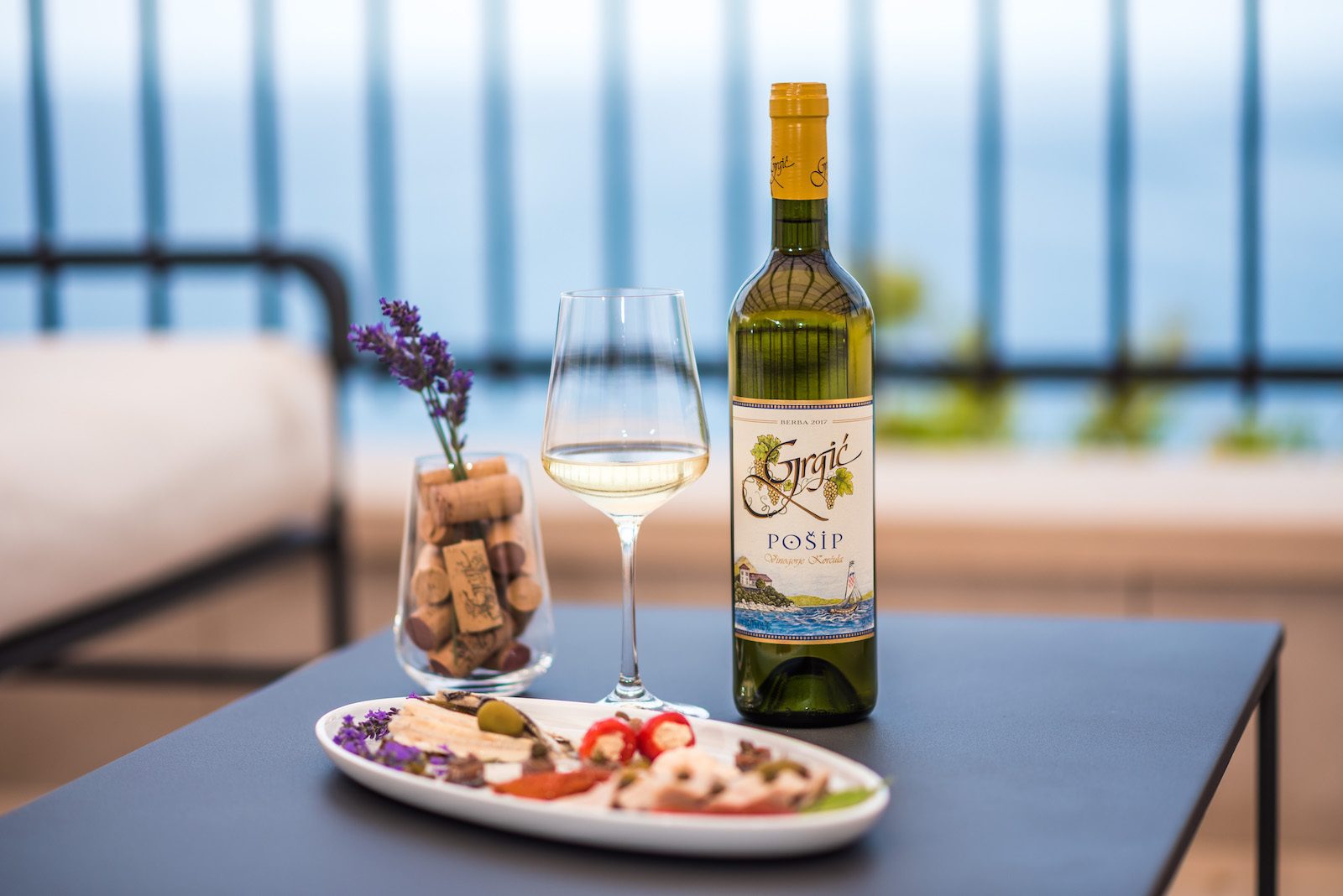
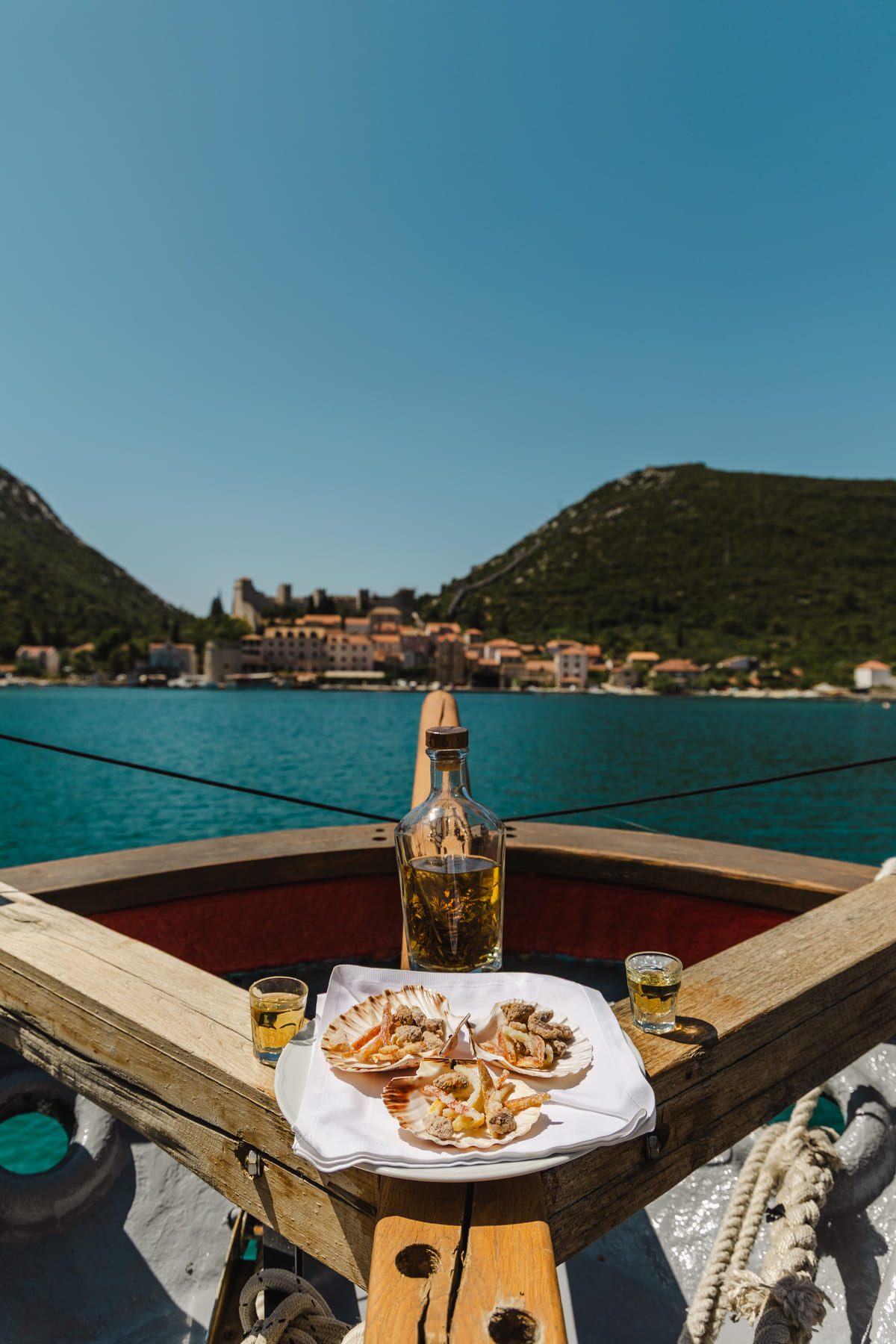
Enjoy local white wine paired with your tasting for a complete culinary experience.
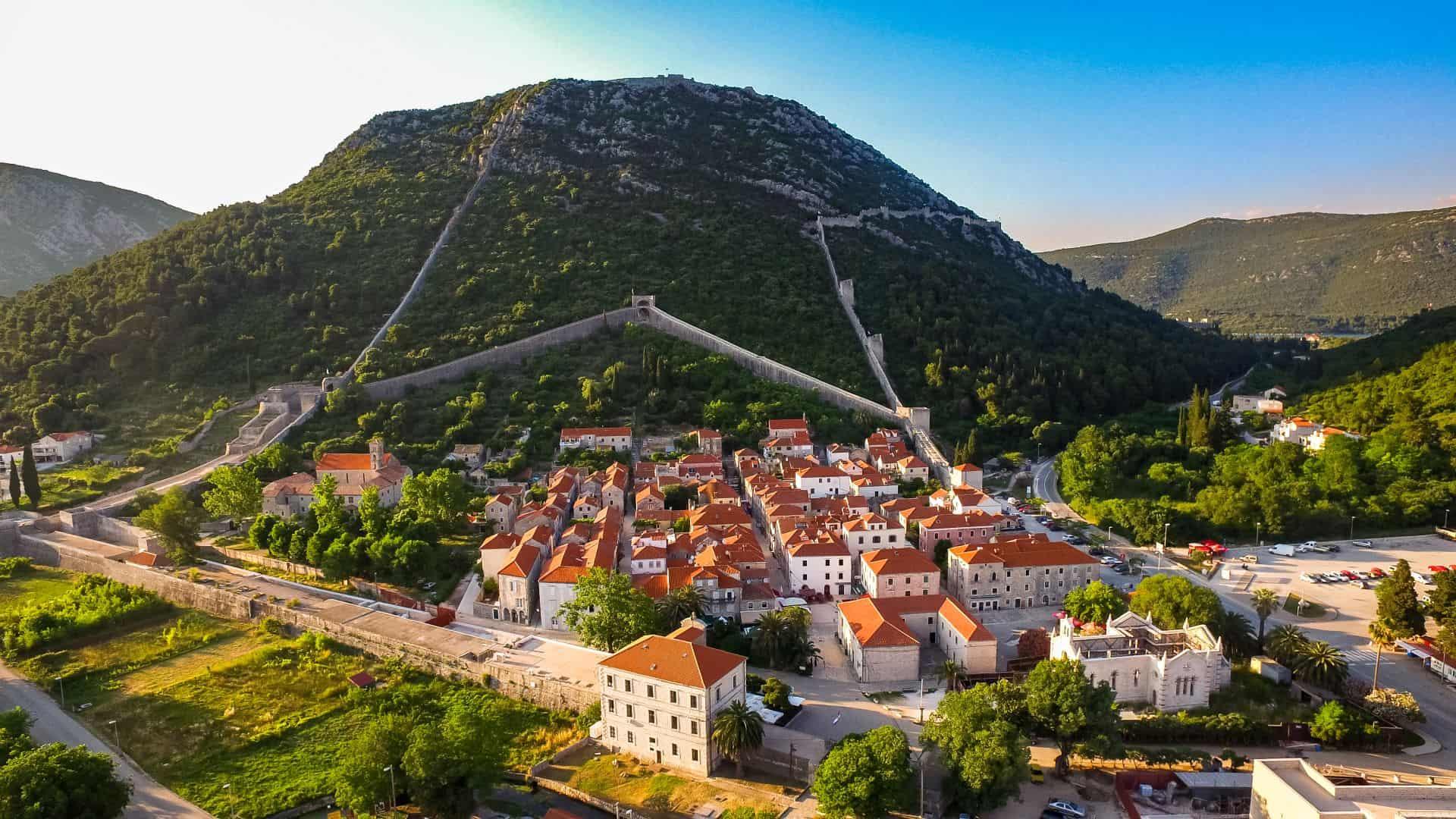
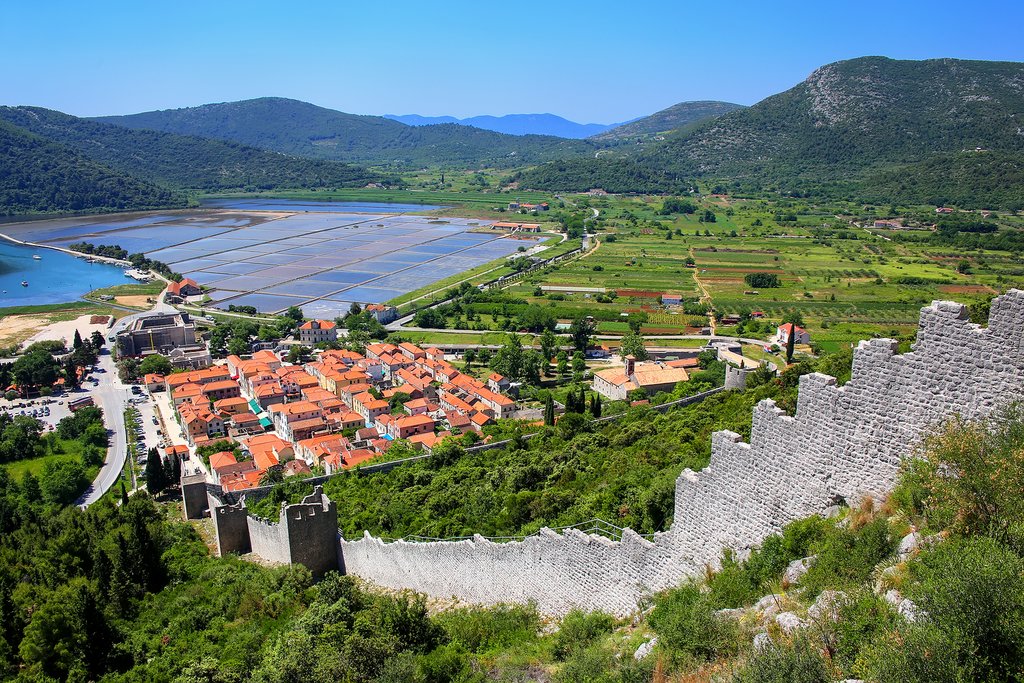
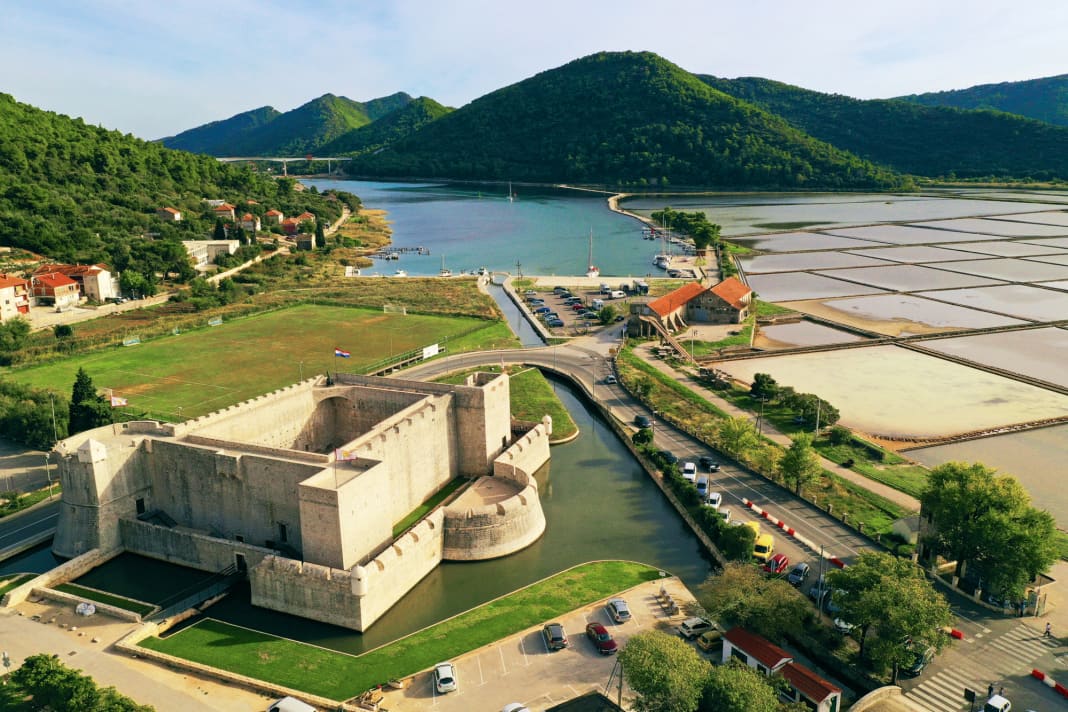
Explore this 14th-century fortification, the longest of its kind in Europe, located just minutes away.
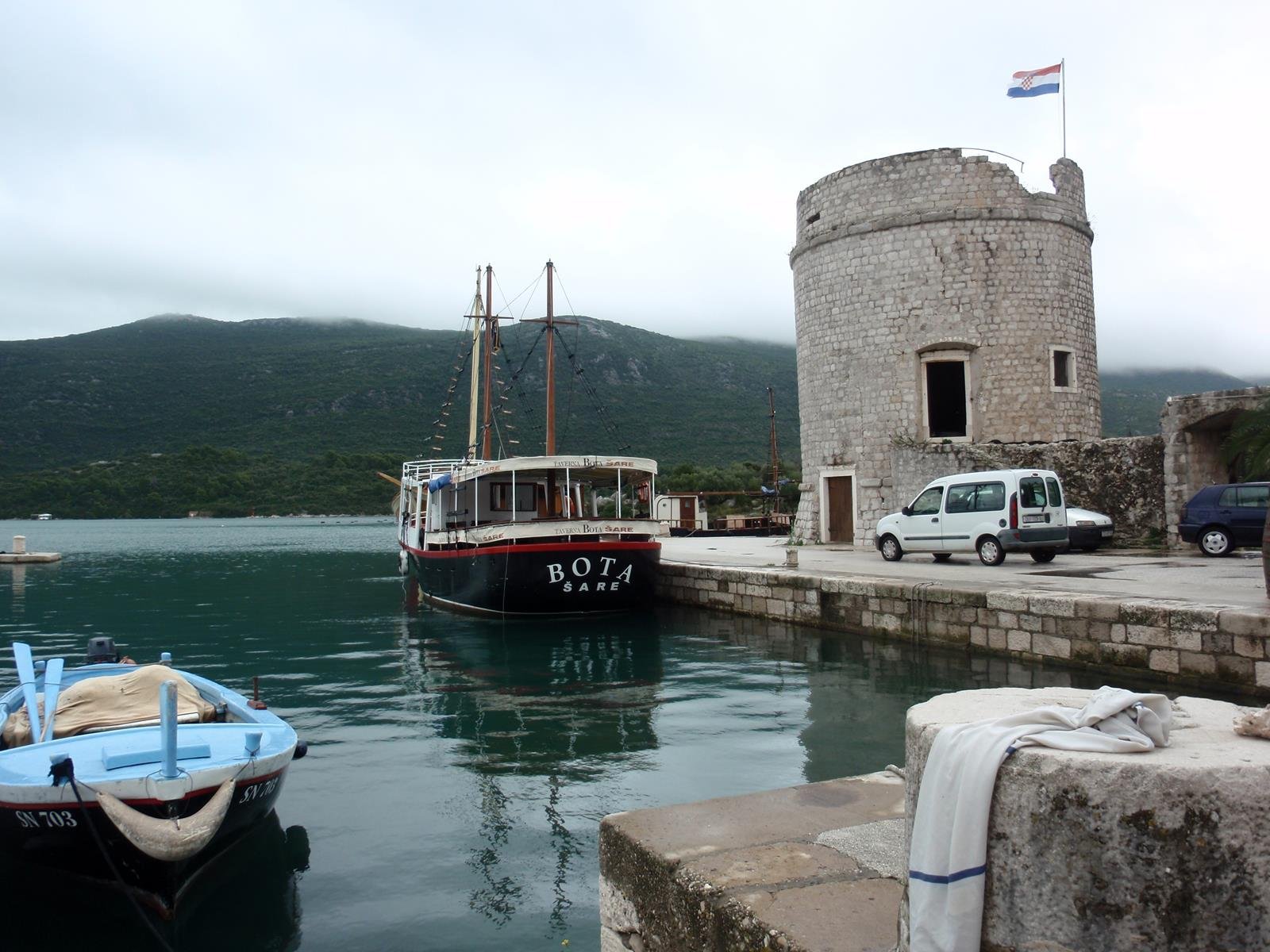
You walk to the jetty at Mali Ston, where the bay narrows and the water turns opaque green. Skippers check names from a clipboard. Arrive between 09:00 and 17:00 — the light is best for the crossing and the shellfish are freshest — and you board a low wooden boat that seats eight to twelve.
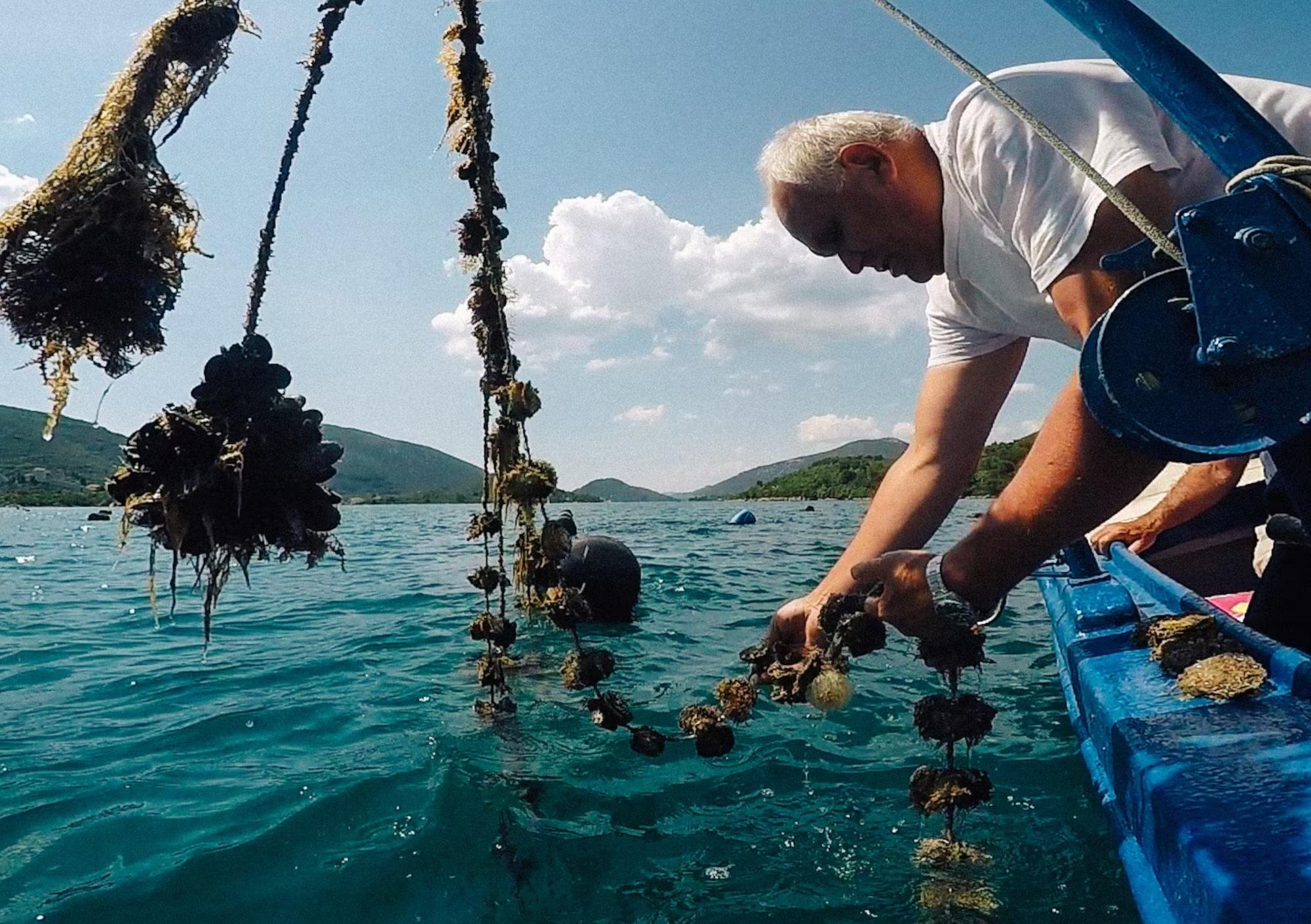
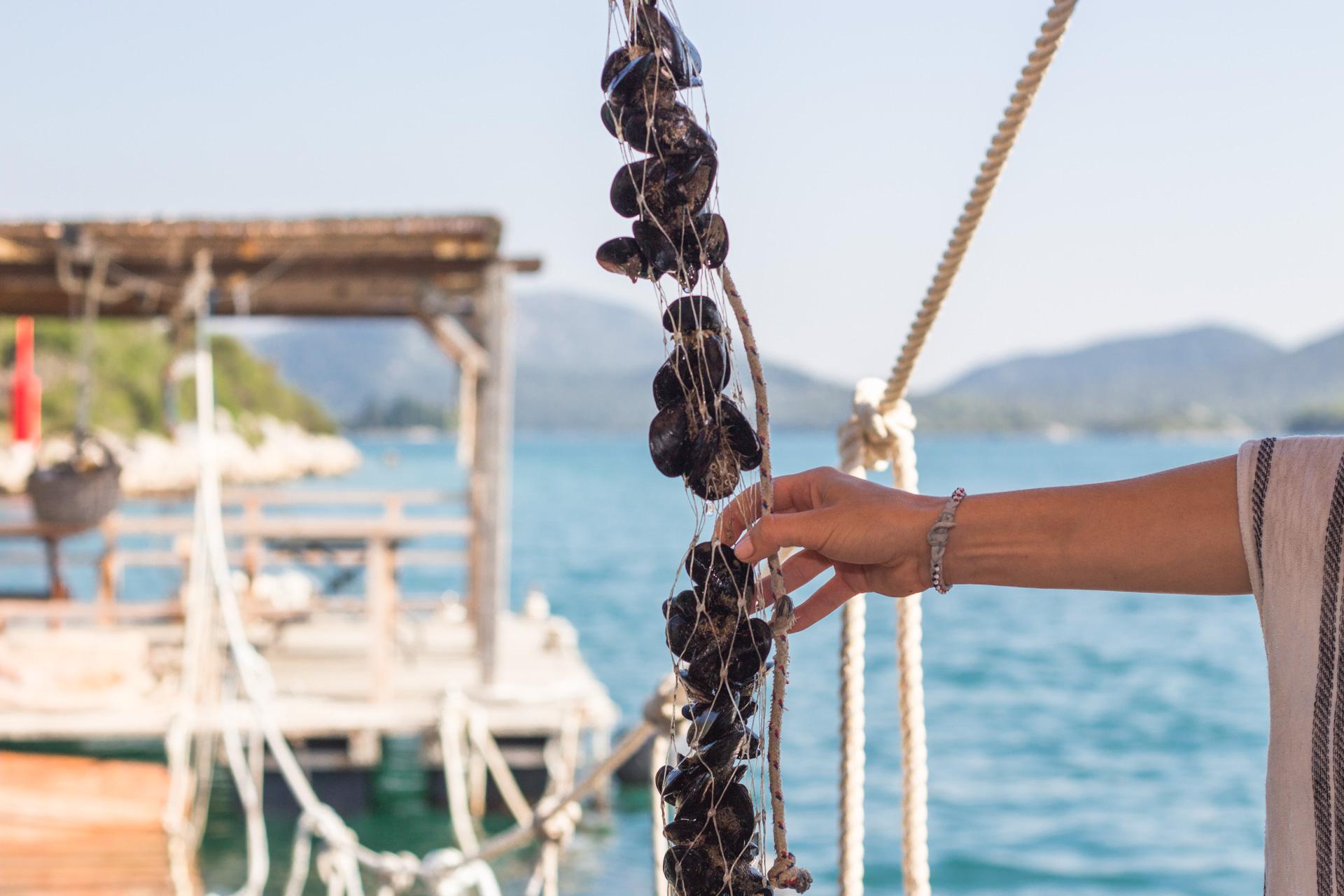
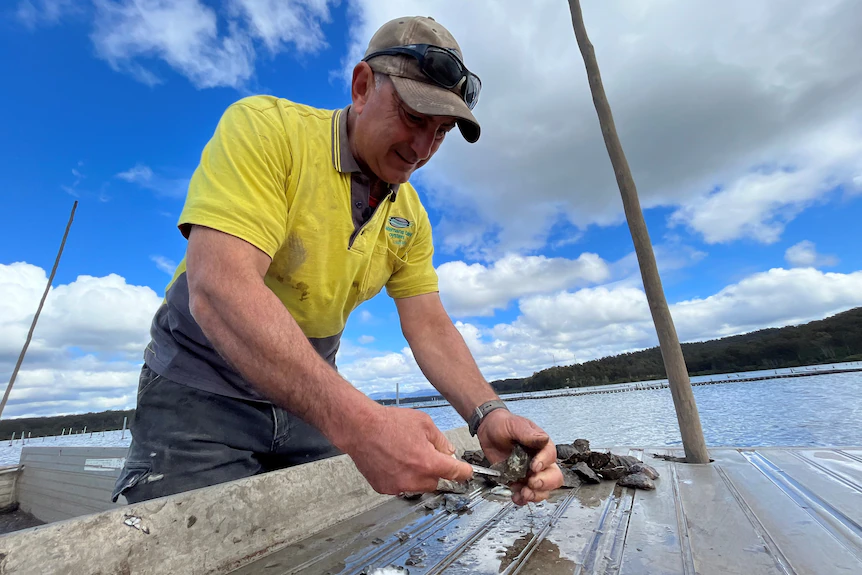
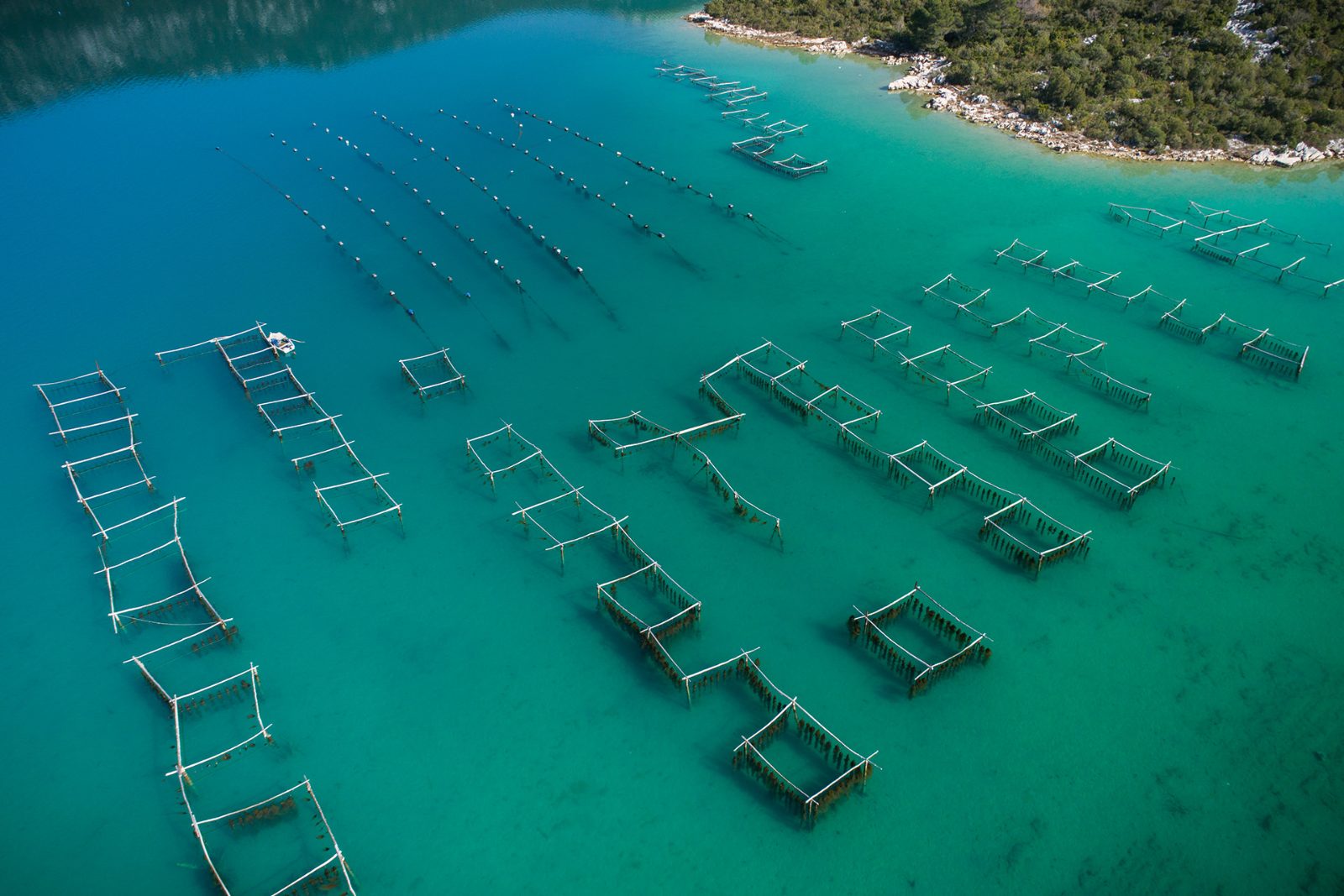
The engine idles for six or seven minutes. You pass the last houses, then the rafts appear in rows, timber platforms low against the surface. The skipper cuts power and ties on. A farmer leans over the edge and hauls a rope hand over hand; forty or fifty oysters come up in a dripping cluster, cemented to the nylon, weed trailing. You feel the weight when it is passed to you. It is heavier than it looks.
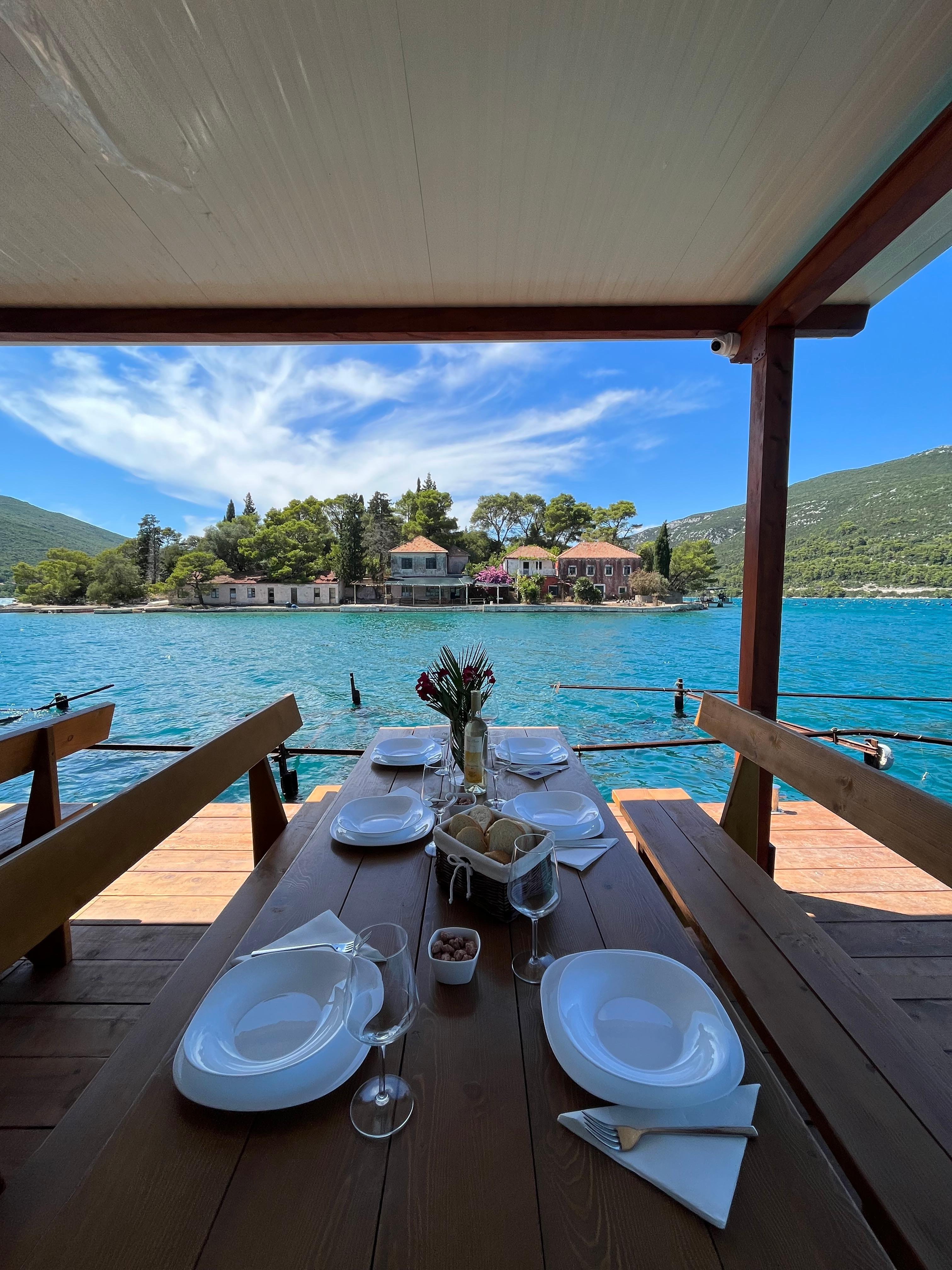
Shucking happens in front of you on a plank. A short knife goes into the hinge, a twist, and the shell opens on a pale muscle in its own liquor. You eat it with lemon, standing, with the Pelješac hills behind. Most mali ston oyster tour tickets include six to twelve, plus steamed mussels and a glass of Pošip.
On the return leg the boat swings closer to shore so you see Ston's walls climbing the ridge above the salt pans. A mali ston oyster tasting run ends here, back at the same jetty, roughly ninety minutes after you left it.
All the details about your upcoming adventure in one place
Mali ston oyster tour tours head out by boat onto Malostonski zaljev, the brackish bay between the Pelješac peninsula and the mainland where Ostrea edulis, the European flat oyster, grows on ropes suspended from wooden rafts. A grower from one of the farming families lifts a line, shucks ostrige at the rail, and pours a glass of local white alongside the bay's mussels. Ston landmarks such as the salt pans and the long defensive wall sit around the same inlet, so a Ston oyster farm tour slots easily into a wider day on the peninsula.
Ostrea edulis, the European flat oyster farmed in Mali Ston Bay, filters roughly 200 litres of seawater a day and takes three to four years to reach market size — slower than almost any farmed shellfish in the Mediterranean.
The conditions explain the pace. Four freshwater springs push into the bay from the karst behind Ston, dropping salinity to around 30 parts per thousand, while the Neretva delta feeds nutrients along the Pelješac Channel. Water temperature swings widely between winter and summer. That combination produces a dense, mineral-heavy shellfish that Roman writers already noted, and which Dubrovnik's Republic later regulated by statute. The bay was designated a protected marine area, and its shellfish carry a protected designation of origin — a rare status for a farmed product.
What draws visitors today is that the farming has not industrialised. A mali ston oyster tour typically leaves from a wooden jetty in the village of Mali Ston, address Mali Ston, 20230, Ston, Croatia, and reaches the working rafts within ten minutes. The rafts are simple: floating platforms of timber and polystyrene, anchored in rows, from which nylon ropes hang into eight metres of water. Spat settles naturally on the ropes; there is no hatchery. Farmers haul the lines by hand, exactly as they did before mechanisation, which is why a mali ston oyster farm tour reads less as a demonstration than as an ordinary morning's work observed at close range.
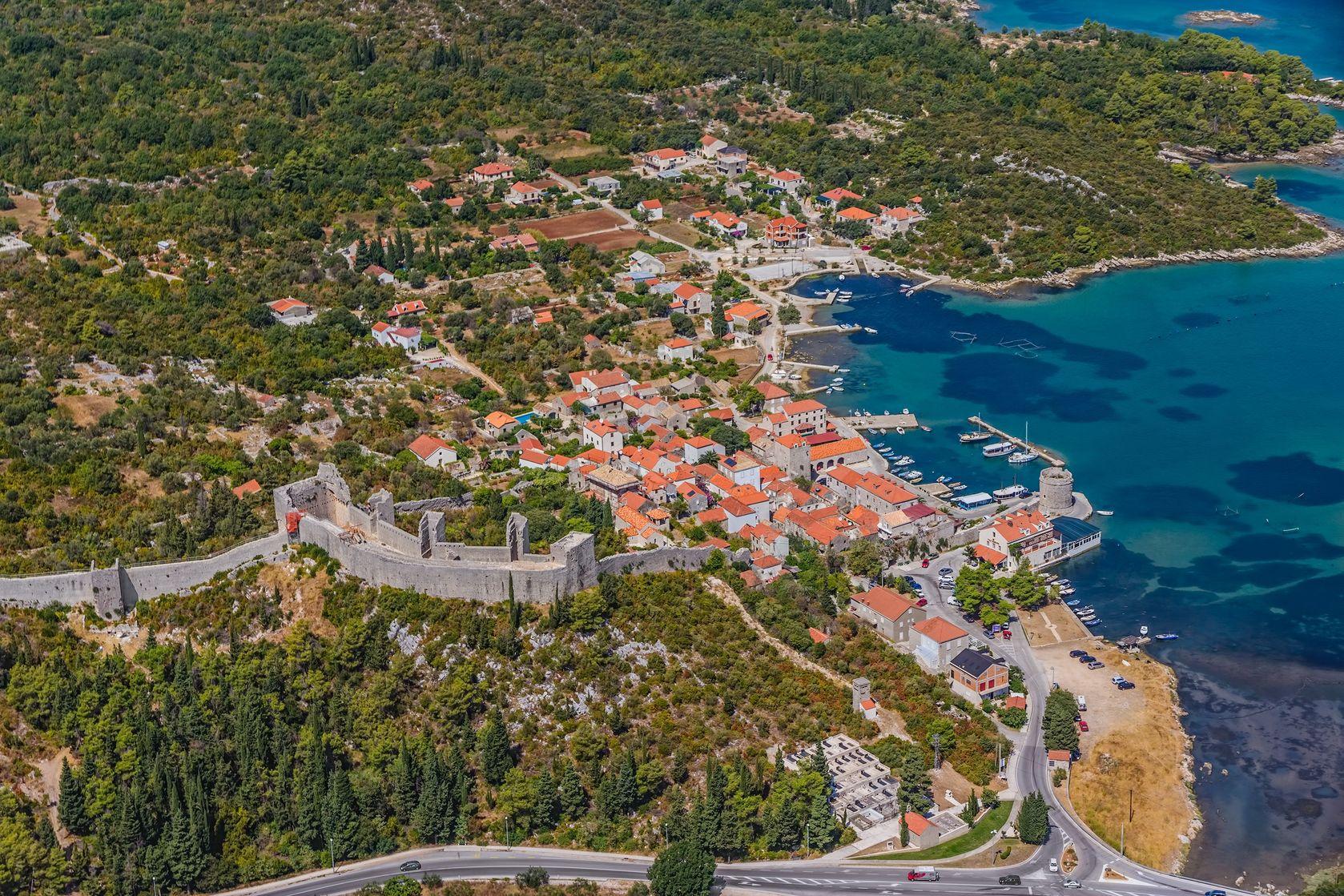
Operators differ in emphasis. A mali ston oyster boat tour tends to widen the frame, tracking the shoreline beneath Ston's 5.5-kilometre defensive walls and the salt pans that funded them since the fourteenth century. A mali ston oyster tasting stays anchored, with shucking done on the raft itself and mussels steamed alongside. Both are private services rather than gated attractions: entrance is 0 EUR, and what visitors pay for is the boat and the shellfish, not admission.
The bay's reputation rests on restraint. Yields stay deliberately low. Rafts are spaced to protect water flow. Independent mali ston oyster tour tours have proliferated since the 2010s, but the underlying production remains a few dozen family concessions rather than a corporate operation.
That scale is the point. Where oyster tourism elsewhere has drifted toward staged theatre, the mali ston oyster tour keeps its centre of gravity in the water — the ropes, the salinity, the four-year wait — and lets the visitor stand slightly in the way of real labour.

The rafts are not a set; they are a workplace that happens to be beautiful.
Wear comfortable, casual clothing suitable for a boat deck and local coastal weather. Non-slip footwear is recommended for safety during your mali ston oyster tour.
Space on traditional wooden boats is limited, so keep personal items to a minimum. Security protocols are determined by individual boat captains.
Photography is encouraged throughout the mali ston oyster tour to capture the scenic bay and oyster farming process. Use a strap for your camera to prevent accidental drops near the water.
Families are welcome, though children should be supervised at all times on the water. A mali ston oyster tour is a great way to introduce younger travelers to local marine life.
Many traditional vessels used for a mali ston oyster tour may have limited wheelchair access due to their construction. Contact your operator directly to discuss mobility requirements before arrival.
Most tours include fresh oysters and local Pelješac wine as part of the experience. Bringing your own food or beverages is generally not permitted unless arranged by your mali ston oyster tour host.
Opening hours
00:00–23:59
Address
Mali Ston, 20230, Ston, Croatia
Accessibility
Boat tours vary; confirm boarding ramps with your mali ston oyster tour operator.
Best arrival window
09:00–17:00
Luggage
Limited space on boats; keep bags small for your mali ston oyster tour.
Navigation
Accessible via coastal roads on the Pelješac peninsula.
Full refunds are typically provided for cancellations made at least 24 hours before the scheduled departure. This is a private tour service, not a gated public attraction, so verify your specific operator's terms regarding the 0 EUR entrance fee policy.
Recommended time
2-3 hours
A typical mali ston oyster tour allows ample time to enjoy a boat ride through the tranquil bay and savor fresh shellfish plucked directly from the sea. Planning your visit for the 09:00–17:00 arrival window ensures optimal daylight for observing the historic salt pans and navigating the calm waters. You may secure mali ston oyster tour tickets in advance to manage your schedule, as afternoon crowds often peak near the local marinas. Whether you book mali ston oyster tour tours or private excursions, this timeframe provides a comprehensive experience without feeling rushed through the maritime landscape.
Crowd levels through the day
Oysters were harvested here long before anyone sold a ticket. Roman villae rusticae stood along the Bay of Mali Ston, and shell middens confirm that Ostrea edulis was gathered under imperial rule. The Neretva channel fed the bay with fresh water. That mixing produced the brackish salinity the flat oyster requires. Rome fell; the beds remained. The decisive turning point came with the Republic of Ragusa. In 1333 Dubrovnik purchased the Peljeƥac peninsula from Serbian rule, and the Ston salt pans became state property. Construction of the Walls of Ston began in 1358 under the architect Bernardin Gattari, later extended by Michelozzoï€Ê di Bartolomeo in 1461. Salt paid for the stone. Oysters travelled the same roads, reaching Ragusan tables and, by the sixteenth century, the courts of Vienna. The Republic regulated the beds by statute, fining unlicensed collection. Any honest Ston oyster tour begins with that legal history, not with the boat. Disaster arrived twice. The earthquake of 1667 levelled much of the region and disrupted the shellfish trade for a generation. In 1936 the Mali Ston oyster won a gold medal at the London international exhibition, only for war and, later, the 1996 mortality event to test the growers again. The Homeland War years of 1991 to 1995 halted exports entirely. Rafts were rebuilt by hand. What survives is a method more than a monument. Growers still suspend collector ropes from wooden rafts, harvesting after roughly three years, refusing mechanised dredging. Since 2005 the bay has held protected designation, and a modern mali ston oyster tour shows visitors that continuity directly. Operators offering mali ston oyster tour tours draw on families working the same concessions for four generations. Guests booking a mali ston oyster tour tour, or arranging mali ston oyster tour tickets, encounter mussel lines, limestone quarries and Ston landmarks that predate every menu on the shore.
Villae rusticae along the bay harvested wild Ostrea edulis, leaving shell middens still identifiable today.
Dubrovnik purchased the PeljeĆĄac peninsula, bringing the bay and its salt pans under Ragusan control.
Construction of the Ston defensive walls began, financed largely by revenue from the salt pans.
Ragusan statutes regulated oyster collection, and shipments reached aristocratic tables beyond the Adriatic.
The great earthquake devastated the Republic and interrupted the regional shellfish trade for decades.
The Mali Ston oyster took a gold medal at the London international exhibition.
The Homeland War halted exports, and growers rebuilt rafts and collector lines by hand afterwards.
Protected designation of origin formalised the bay's traditional rope-and-raft cultivation methods.
Dining in Mali Ston centers on traditional konobas that serve fresh shellfish harvested directly from the bay, making them the perfect stop after your mali ston oyster tour. You will find several authentic family-run establishments located just steps from the waterfront.
Specializes in contemporary preparations of local bivalves and fresh catches. This venue is ideal for those seeking a refined meal after their mali ston oyster tour tours.
Real experiences from real travelers
We motored ten minutes out of the harbour and the farmer pulled a rope up out of the water covered in shells still dripping. The mali ston oyster tour gave us six each shucked on the boat with nothing but lemon, and the water was so flat you could see the buoy lines running off toward the peninsula. Bring a hat, there is no shade out on the raft.
Ostrea edulis is a smaller, sharper oyster than the Atlantic ones I grew up with and tasting it fifty metres from where it grew makes the difference obvious. Our guide explained how the fresh water from the karst springs mixes with the Adriatic in the bay, which is apparently why the shellfish here taste the way they do. He also handed round mussels straight from the same rope.
The boat portion ran under an hour, so if you are expecting a half day this is not that. Still, watching the ropes come up and eating the oysters over the side of the boat was the best hour of our week on the Pelješac peninsula. My only note is that they only take cash at the little kiosk.
Went out at nine to beat the August heat and it was already bright enough to need sunglasses on the water. The Ston oyster farm tour included a stop at the shellfish beds and a very generous plate of mussels afterwards. Standing on the raft with the bare grey hills all around was quieter than I expected.
This is not a slick operation and that is the point — the man running it has worked these beds his whole life and his son shucked for us. On the mali ston oyster tickets it says tasting included and they were not stingy about it. We could see the long wall climbing the hill above the village the whole time.
March meant a jacket and a choppy crossing but the oysters were at their best and there was nobody else out there. Ture izleta na kamenice u Malom Stonu run year round, which surprised me. They poured a glass of Pošip and told us the beds have been worked since Roman times without turning it into a lecture.
We rented a car and came up the coast, and the last stretch along the bay with the shellfish rafts spread across the water is worth doing slowly. The mali ston oyster tour tours we compared all seemed to leave from the same small harbour, so it is easy to find. Sea was warm, glassy and full of jellyfish-free clear patches near the ropes.
The guide hauled a rope hand over hand and the whole thing came up crusted with two years of growth, which gives you a sense of how slow the process is. Our mali ston oyster tour tour ended with a short loop past the fortification walls before returning to the quay. Deck was wet and slippery — do not wear smooth-soled shoes.
November on the Ston landmarks circuit is empty and grey but the bay still looked good in the low afternoon light. There were four of us on the boat and the farmer had time to answer everything about how the larvae settle on the ropes. Slightly rough crossing back, worth knowing if you get seasick.
Standing on a wooden raft in the middle of a bay eating something pulled from the water thirty seconds earlier is a hard thing to beat. The skip-the-line oyster farm boarding meant we walked straight down to the boat instead of queueing at the harbour office. Heat was heavy that afternoon and the bare limestone reflected it back at us.
Everything you need to know for your journey
Operators of a mali ston oyster tour generally operate between 09:00 and 17:00 for the best daylight conditions.
The tour itself involves a service fee; the bay area has a 0 EUR entrance fee as it is not a gated attraction.
No, food and wine are usually provided as part of your mali ston oyster tour package.
Yes, families are welcome, but children should be closely supervised during any mali ston oyster tour boat ride.
There is a 0 EUR entrance fee, as this is a natural bay rather than a gated public attraction.
You should contact local providers directly or use an online booking platform to secure your mali ston oyster tour tickets.
The optimal time for your mali ston oyster tour is between 09:00 and 17:00 to enjoy the freshest conditions and scenery.
You can easily combine your mali ston oyster tour with a visit to the historic Walls of Ston.
Yes, capturing photos of the bay and farming process is a highlight of every mali ston oyster tour.
Cancellation policies for mali ston oyster tour tickets typically require 24 hours' notice for a full refund.
Join thousands of happy travelers who have discovered this incredible experience
Book Your Experience Now