

Quick answer
Entry is free — 0 EUR. The festival opens only at weekends on the Mali Ston waterfront: Saturday 11:00–18:00 and Sunday 11:00–15:00, with the site closed Monday through Friday. Free admission covers festival events themselves; boat tours out to the shellfish beds and specific guided tastings are charged separately, so budget for those extras.
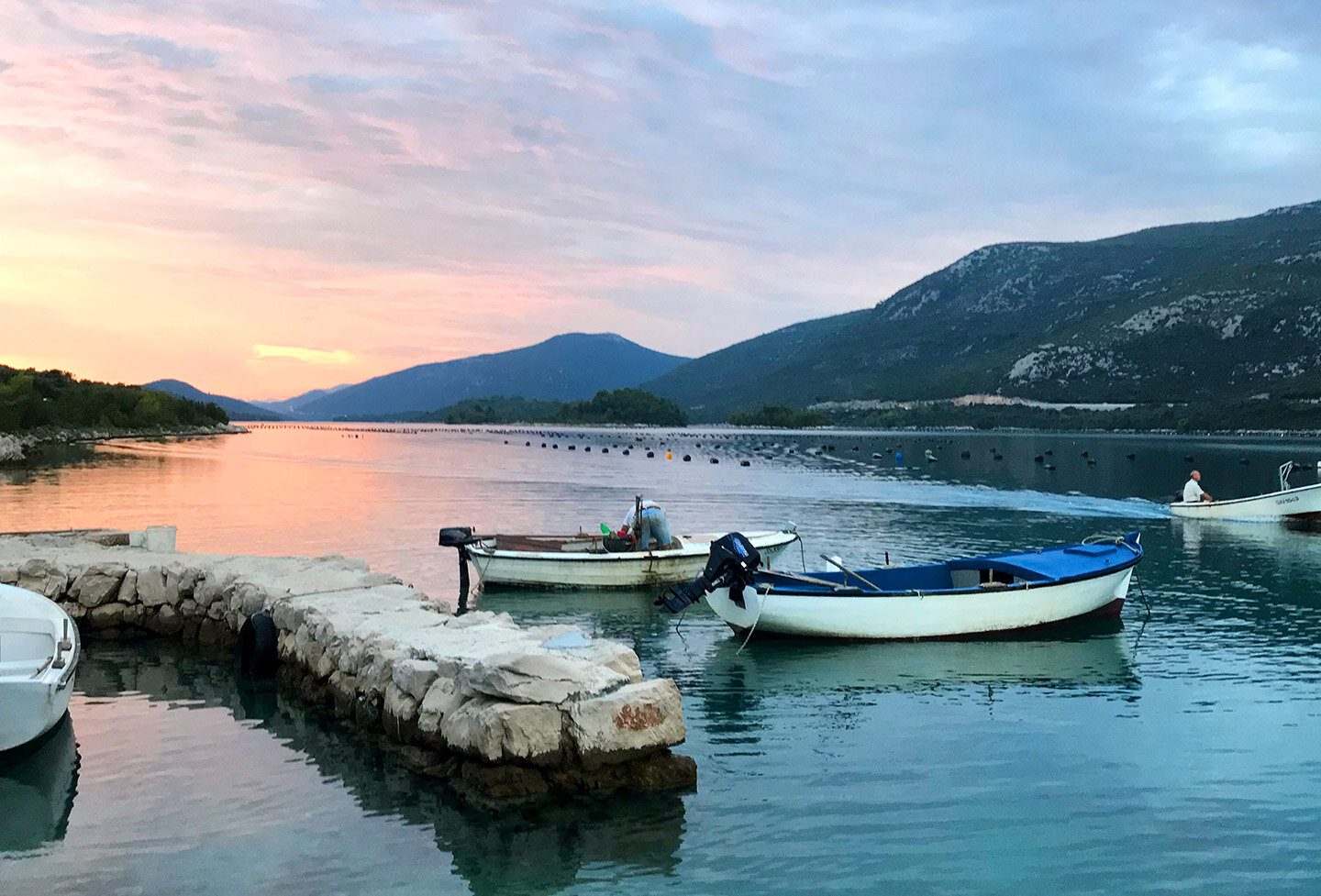
Ston's oyster beds are not a modern tourist invention. The European flat oyster, *Ostrea edulis*, has been harvested in the Bay of Mali Ston since antiquity, and the Republic of Ragusa regulated the trade so tightly that the beds were treated as state property. The mali ston oyster festival grew out of that continuity rather than being staged on top of it — the growers running the tasting tables are, in many cases, working the same leased plots their families held generations back. That is the first thing worth understanding about the event: it is a working shellfish community opening its quayside for a few hours, not a ticketed exhibition. What a visitor is actually dealing with is a compressed window. The festival occupies the narrow strip of waterfront beneath the medieval walls of Ston, where the Pelješac peninsula pinches into the mainland, and it operates on a weekend-only rhythm. The bay's low salinity and the freshwater springs feeding it are what give the local kamenica its mild, mineral finish, and that same geography means everything happens on the water's edge: shucking stations, wine pours from Pelješac vineyards, and small boats running out toward the floating beds. Croatian visitors know the event as the festival kamenica; search listings sometimes render it as a Mali Ston oyster tour or fold it into wider Ston landmarks itineraries, since the salt pans and the fortification walls sit within walking distance. The practical consequence is that this trip does not survive loose planning. The site is dark five days a week, and Sunday closes earlier than Saturday, which catches out visitors arriving on a day trip from Dubrovnik or Korčula without checking. Free admission also does not mean a free day out — the tastings that most people travel for, and any boat excursion onto the beds, are priced separately by the operators running them. Anyone building an itinerary around the mali ston oyster festival should fix the date first, confirm which weekend day they are targeting, and reserve any boat component in advance, because capacity on the water is finite and the season is short. The dedicated sections on this page cover hours, costs, transport, and eating in detail; treat those as the working documents once the date is settled.
“It is a working shellfish community opening its quayside for a few hours, not a ticketed exhibition.”
Optimal Arrival and Timing for the Mali Ston Oyster Festival
The Mali Ston Oyster Festival typically takes place in March, coinciding with Saint Joseph's Day. For the best experience, plan your visit during the optimal arrival window of 11:00–14:00 to enjoy fresh oysters and local wine tastings on the waterfront.
March Festival Days
High attendanceMild spring weather, 12–16°C
This period offers the main festival activities and fresh tastings.
Mid-day window
Peak activity levels—
The 11:00–14:00 arrival window is the optimal time for fresh oyster and wine tastings on the waterfront before afternoon wrap-up.
Verdict: Plan your visit for the festival dates in March, arriving between 11:00 and 14:00 for the best experience.
Mali Ston Oyster Festival Opening Hours
The Mali Ston Oyster Festival operates exclusively on weekends during the event period. Visitors may access the festival grounds on Saturdays and Sundays.
| Monday | Closed | |
|---|---|---|
| Tuesday | Closed | |
| Wednesday | Closed | |
| Thursday | Closed | |
| Friday | Closed | |
| Saturday | 11:00–18:00 | |
| Sunday | 11:00–15:00 |
Festival hours are specific to the event dates; the waterfront area remains accessible outside of these operational times.
Mali Ston Oyster Festival Fees and Costs
The Mali Ston Oyster Festival provides free general admission to all festival events held along the waterfront. Costs are only incurred for supplemental activities such as specific food tastings or boat excursions.
A typical adult pays 0 EUR for entry, with total spending determined entirely by the number of boat tours or tastings selected.
Getting to the Mali Ston Oyster Festival Waterfront
The Mali Ston Oyster Festival takes place at the Mali Ston waterfront, located in the village of Mali Ston, Croatia. Access is primarily facilitated via the D414 road connecting the Pelješac Peninsula to the mainland.
Follow the D414 road toward Ston and follow signage to Mali Ston
Libertas Dubrovnik bus lines to Ston, then a 15-minute walk to the waterfront
Direct transfer to Mali Ston waterfront from Dubrovnik or Ston
Culinary Offerings at the Mali Ston Oyster Festival
The Mali Ston Oyster Festival centers on the consumption of Ostrea edulis, the local European flat oyster, paired with regional Pelješac wines. Visitors typically enjoy these delicacies directly at waterfront stalls or within the established restaurants lining the harbor.
Mali Ston Waterfront
Variesstreet
Open-air stalls offer freshly shucked oysters and glasses of local Pošip or Plavac Mali wine directly on the pier.
Restoran Villa Koruna
€€€restaurant
Located along the waterfront, this venue provides seated dining featuring traditional oyster preparations and broader Dalmatian seafood dishes.
Ston Saltworks area
€picnic
Visitors often purchase local supplies in Ston and find quiet spots along the ancient walls for a private tasting away from the main festival crowd.
Kapetanova Kuća
€€€restaurant
Situated at the entrance to Mali Ston, this restaurant specializes in refined oyster recipes and local coastal cuisine.
Exploring Near the Mali Ston Oyster Festival
The festival grounds in Mali Ston serve as an ideal starting point for exploring the historical and maritime heritage of the Pelješac peninsula. These nearby landmarks complement a waterfront visit by providing historical context to the region's long-standing traditions.
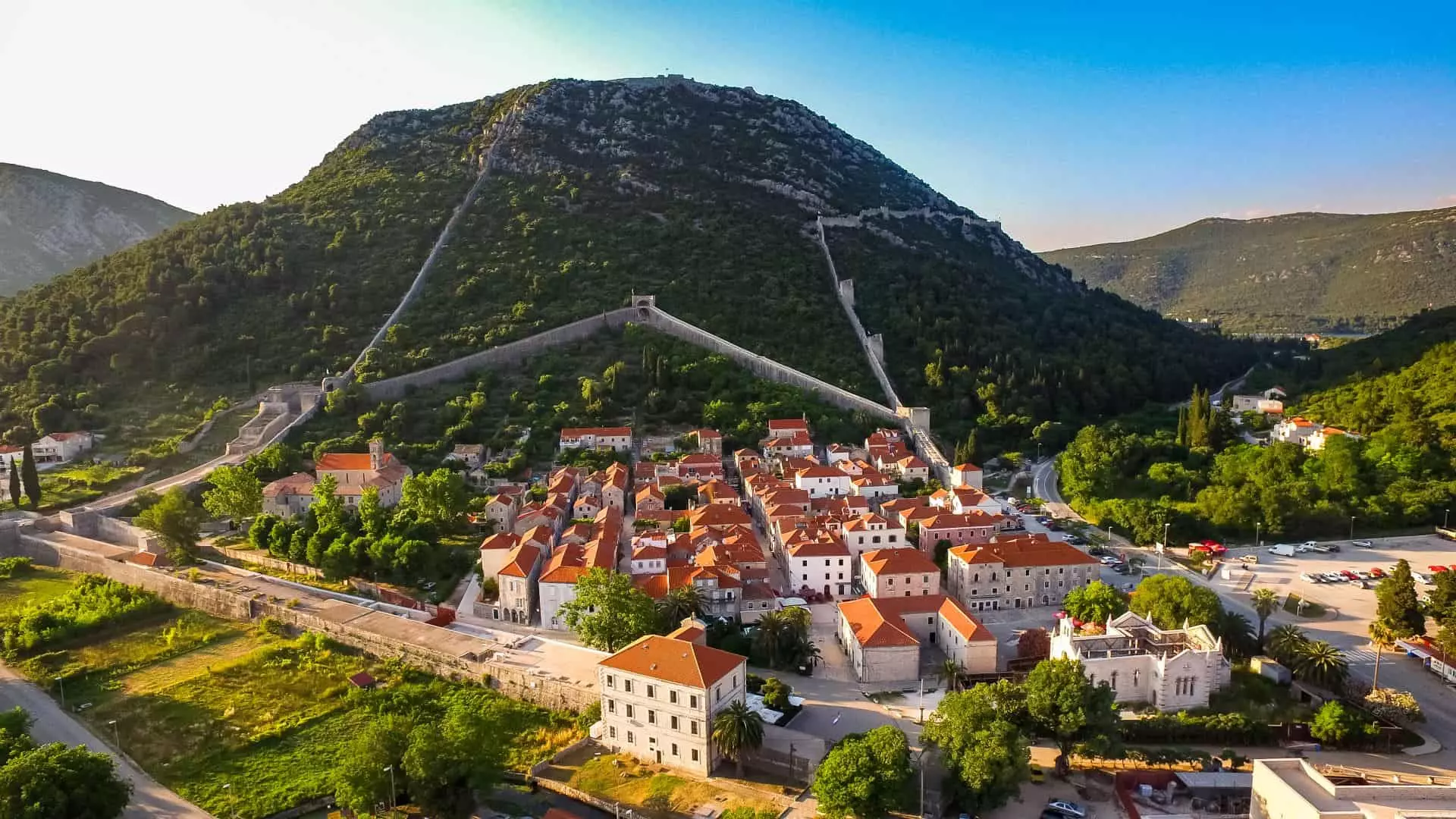
Ston Walls
These defensive walls connect Mali Ston to Ston and offer an elevated perspective of the salt pans and surrounding bay. Walking the structure provides a historical overview of the local fortification system.
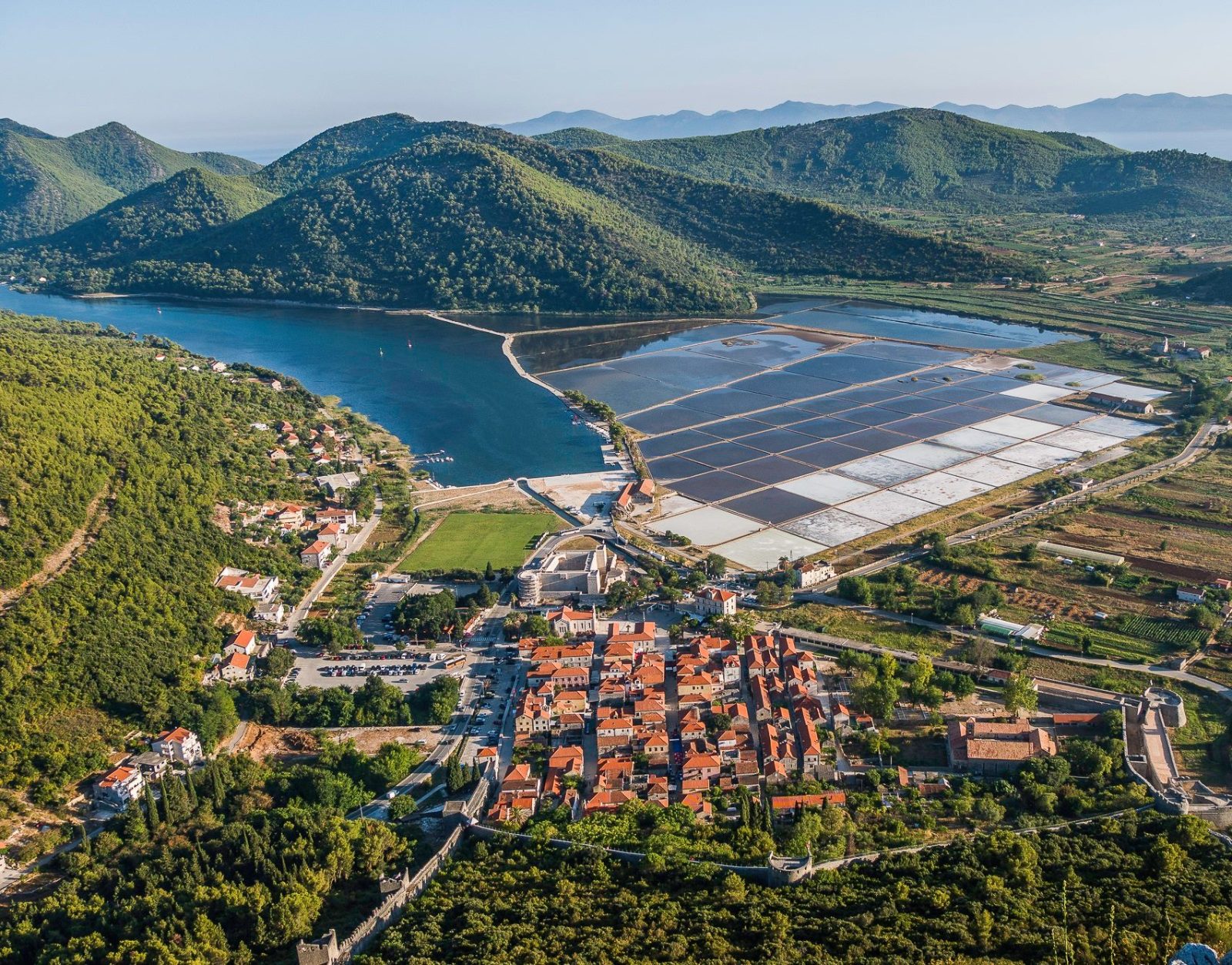
Ston Salt Pans
As the oldest active salt pans in the Mediterranean, these fields demonstrate the traditional production methods that have operated here since the 14th century. A visit here pairs well with the oyster festival by showcasing another pillar of the local economy.
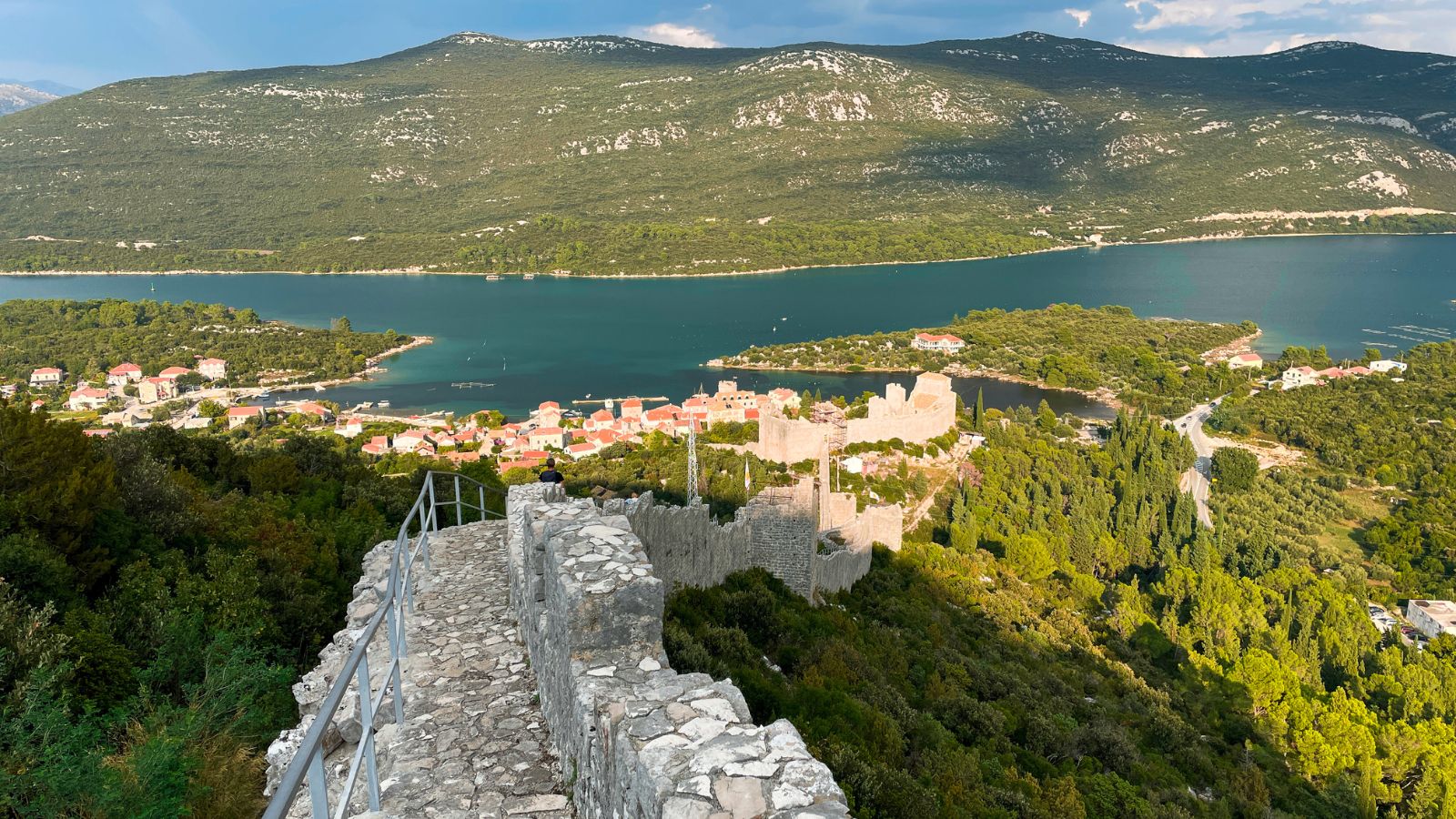
Old Town Ston
This historic town features narrow streets and medieval architecture that reflect its importance during the Republic of Ragusa. Its compact size makes it suitable for an afternoon stroll after attending festival activities.
Check availability
Frequently Asked Questions About the Mali Ston Oyster Festival
Everything you need to know about mali ston oyster festival