4 hr
Ston Oyster & Mussel Tasting with Pelješac Wine Tour
- Entry ticket
- Mobile voucher
- Valid same day
- Free cancellation
Mali Ston Oyster Tasting — Flat Oysters, Rafts and Pelješac Wine
Lifted from the rope at first light, opened at the water's edge.
Compare fares, pick the fit — all bookings are mobile-voucher and eligible for free cancellation where shown.
4 hr
8 hr
4 hr 30 min
| Experience | From | Duration | Rating | Transfers | Pickup | Free cancel. | Price | |
|---|---|---|---|---|---|---|---|---|
|
Standard Entry
Most popular
Ston Oyster & Mussel Tasting with Pelješac Wine Tour
|
— | 4 hr | ★ 4.9 | — | ✓ | ✓ | €155 | Book → |
|
Guided Experience
Pelješac Wine & Food Discovery from Dubrovnik
|
Dubrovnik | 8 hr | ★ 5.0 | ✓ | — | ✓ | €220 | Book → |
|
Standard Entry
Mali Ston Oyster Farm & Boat Tour from Dubrovnik
|
Dubrovnik | 4 hr 30 min | ★ 4.9 | — | ✓ | ✓ | €180 | Book → |
Worth it for seafood lovers, not casual sightseers
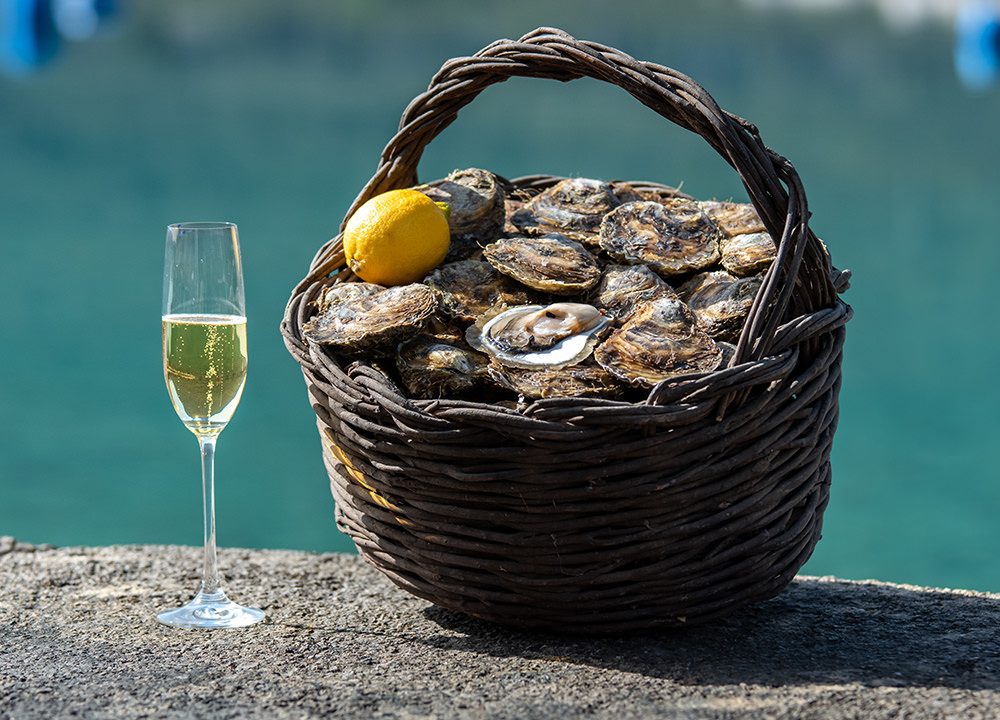
A mali ston oyster tasting delivers something most coastal excursions can't: Ostrea edulis, the European flat oyster, opened metres from the rack it grew on. The bay's mix of Neretva freshwater and Adriatic salt gives these a soft, almost sweet minerality rather than the sharp brine of Atlantic varieties, and eating them at the source — no ice truck, no intermediary — is the whole argument. Booked options pair the shellfish with Pelješac wine, so you get Plavac Mali or Pošip against fresh oysters and mussels, plus the shucking demonstration and a look at the farming ropes. Entry to Mali Ston itself is 0 EUR; you're paying for boat access, the grower's time and the food. It pays off if flavour and provenance matter to you. If you dislike raw shellfish, the mali ston oyster tasting tours become a boat ride with wine attached.
Bottom line: If raw shellfish is your thing, mali ston oyster tasting tickets buy a flavour you cannot replicate anywhere inland — otherwise spend the money on the Ston walls instead.
They complement each other; most visitors who do both call the boat-based mali ston oyster tasting tours the more thrilling, immersive way to enjoy the harvest.
|
Top pick Farm Boat Tour |
Restaurant Tasting | |
|---|---|---|
| Atmosphere | Open-air boat in bay | Formal restaurant setting |
| Harvest method | Shucked on-site from water | Stored and plated |
| Proximity | Directly at oyster farms | Village/Town center |
| Booking | Required (paid booking) | Walk-in or reservation |
| Duration | 1.5–3 hours | 1–1.5 hours |
| Inclusions | Oysters, wine, bay cruise | A la carte menu options |
| Ideal for | Adventure and nature seekers | Casual or quick diners |
| See tickets & prices |
Verdict: If you seek authentic proximity to the source, choose the mali ston oyster tasting tour for its unparalleled access to the bay, whereas a restaurant visit is superior for comfort and menu variety.
Hand-picked experiences loved by thousands of travelers
4.5 hours
Free Cancellation
Discover historic fortifications and savor fresh oysters straight from Adriatic waters on this half-day escape
5 hours
Free Cancellation
Sail to working oyster farms, sample fresh shellfish with local wine, and explore Europe's longest fortifications
6.5 hours
Free Cancellation
Discover oyster farms, historic Ston, premium wineries, and a secret coastal surprise on this full-day tour
5 hours
Free Cancellation
Savor fresh seafood at a floating oyster farm and swim in crystal-clear Adriatic waters on this bay excursion
50 minutes
Free Cancellation
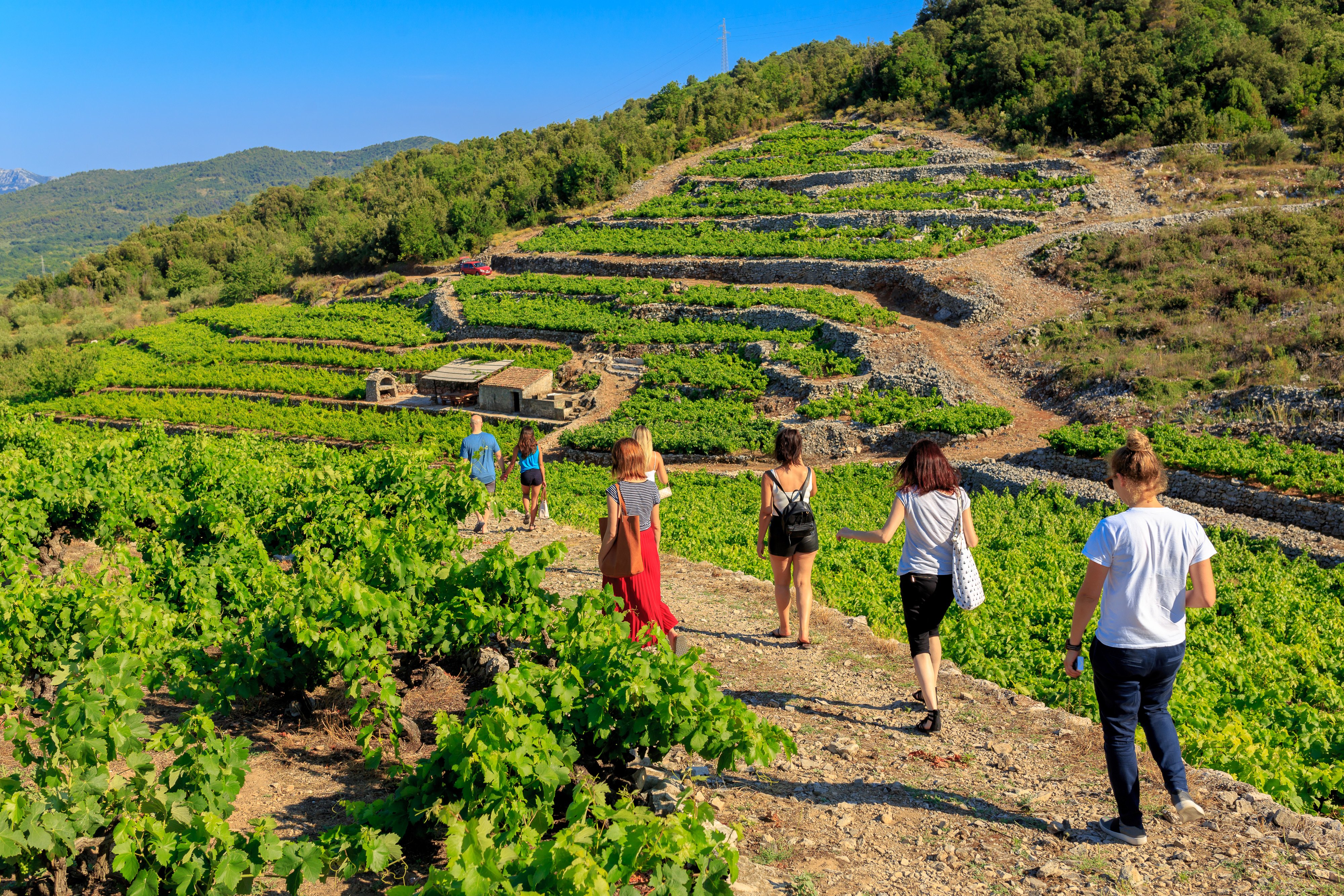
Discover seven generations of winemaking heritage at a family estate on Pelješac Peninsula
7 hours
Free Cancellation
Savor the authentic tastes of Croatia's Pelješac Peninsula on this culinary journey through vineyards, olive groves, and oyster farms
6 hours
Free Cancellation
Savor fresh oysters straight from the Adriatic, explore medieval fortifications, and sample wines at family-run vineyards
6 hours
Free Cancellation
Journey to Europe's longest fortifications and savor fresh oysters straight from Mali Ston Bay's pristine waters
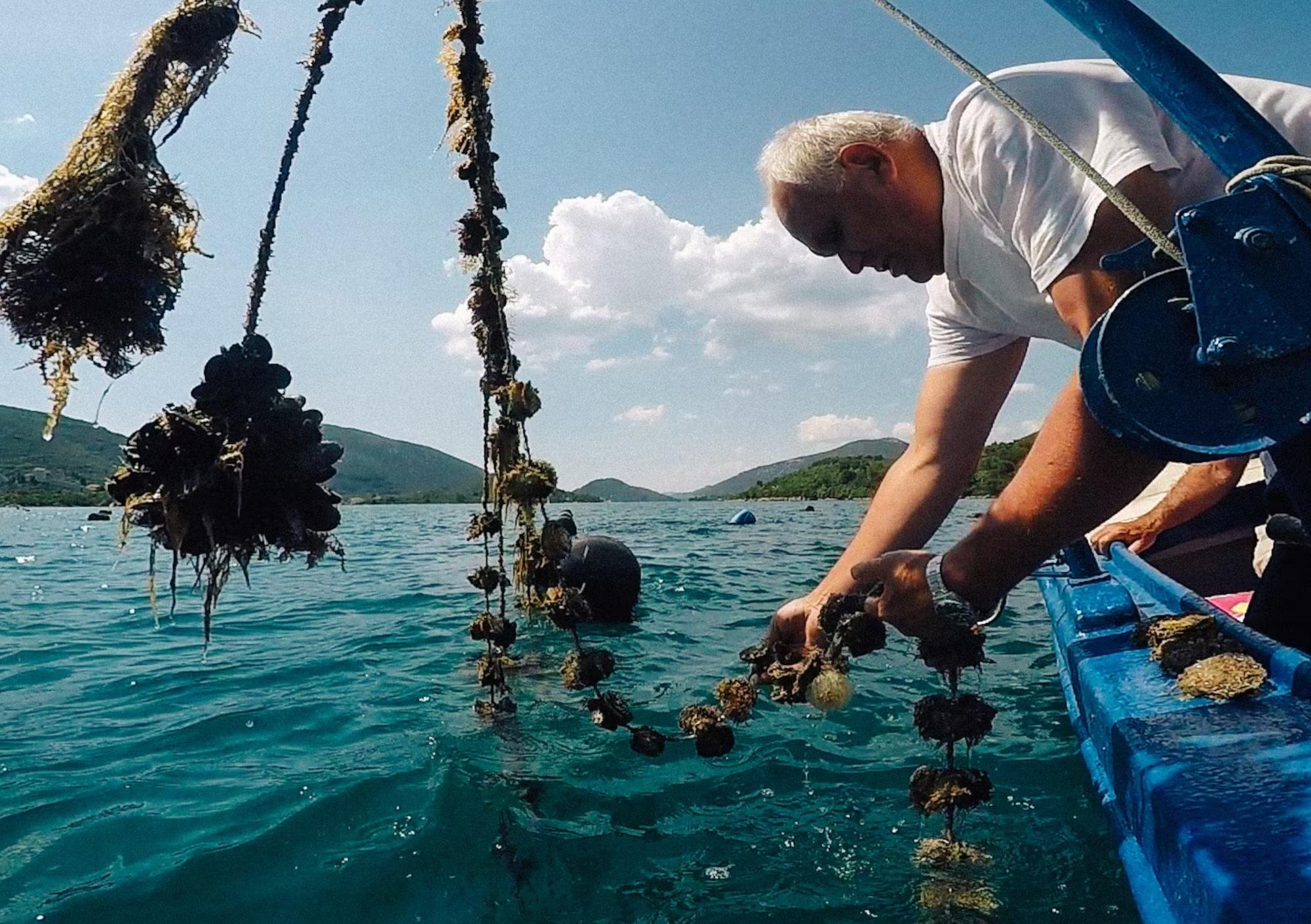
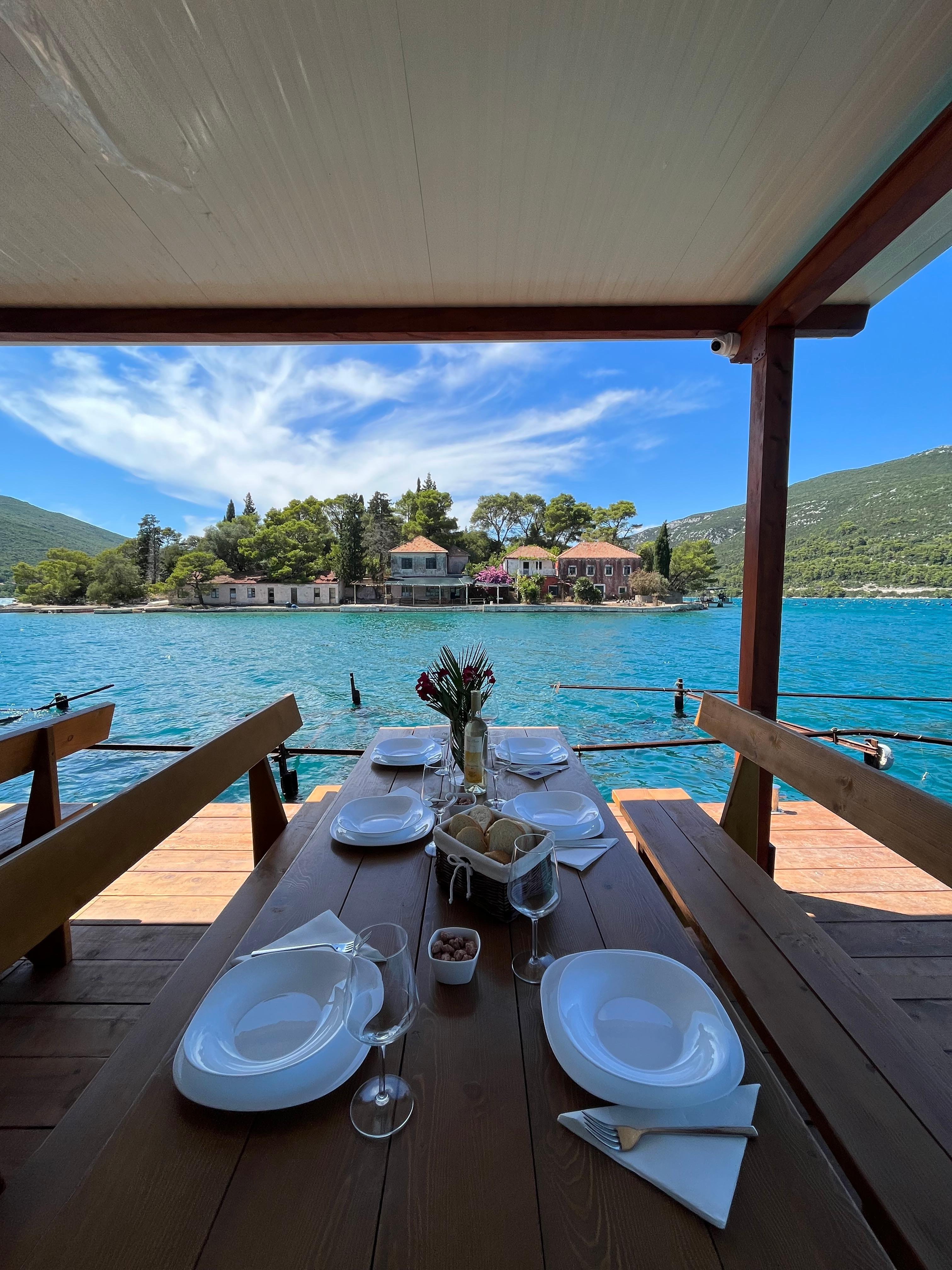
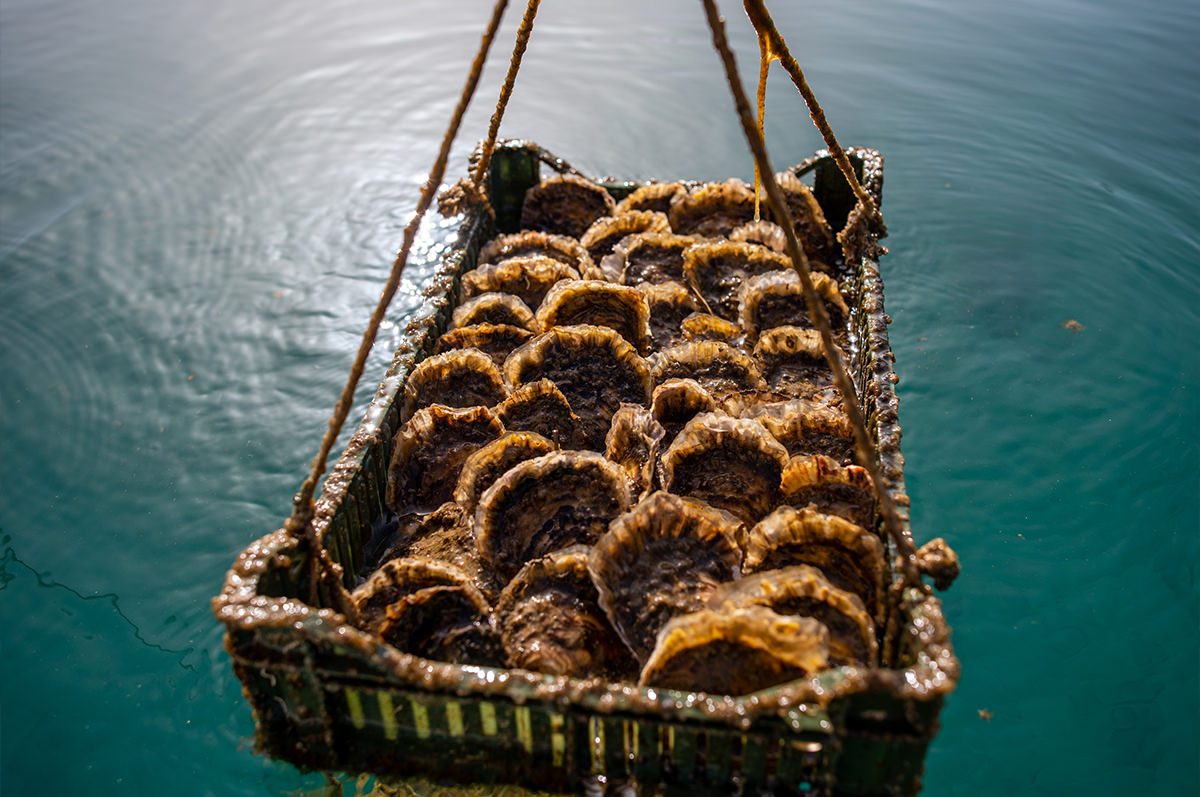
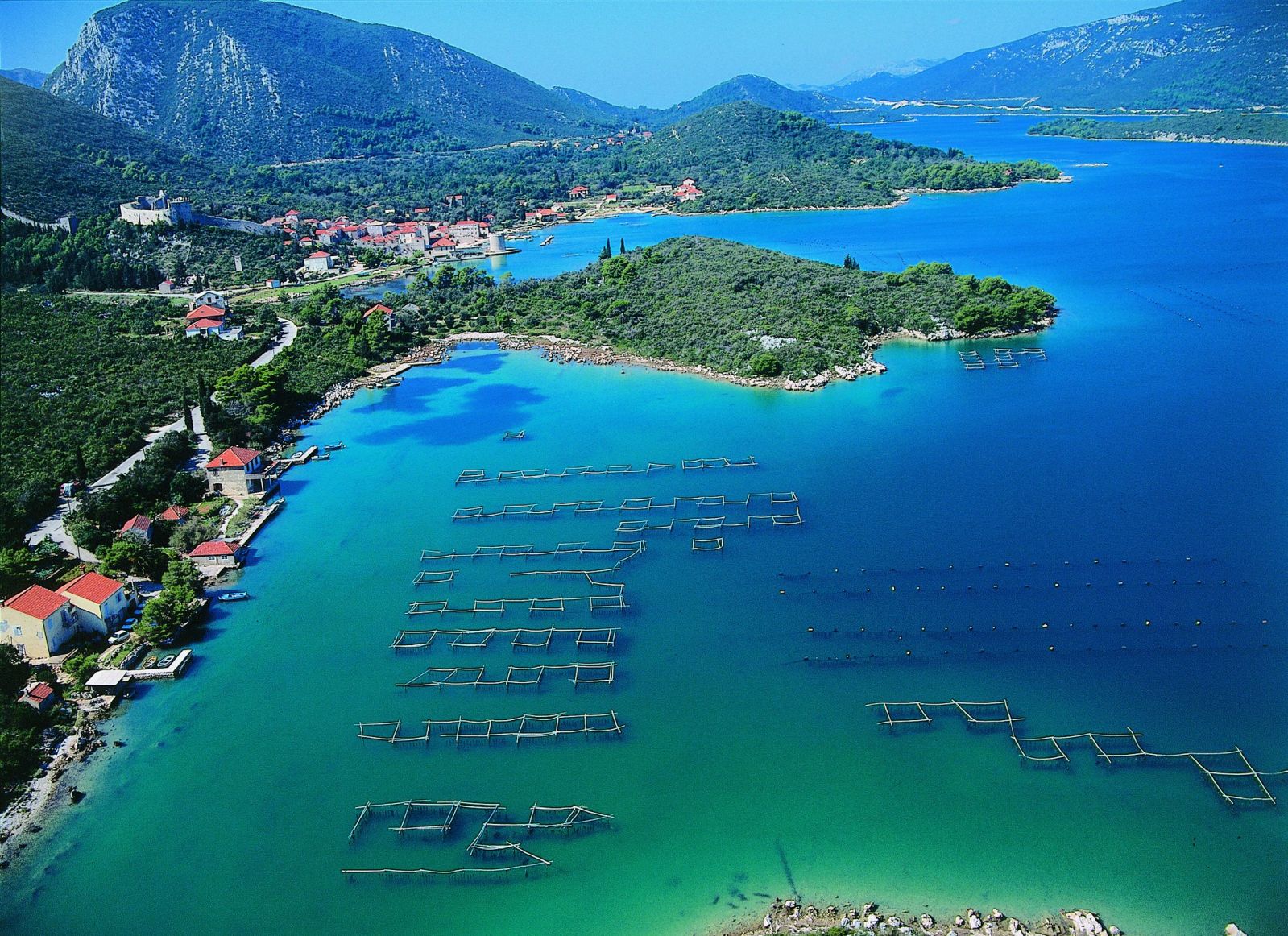
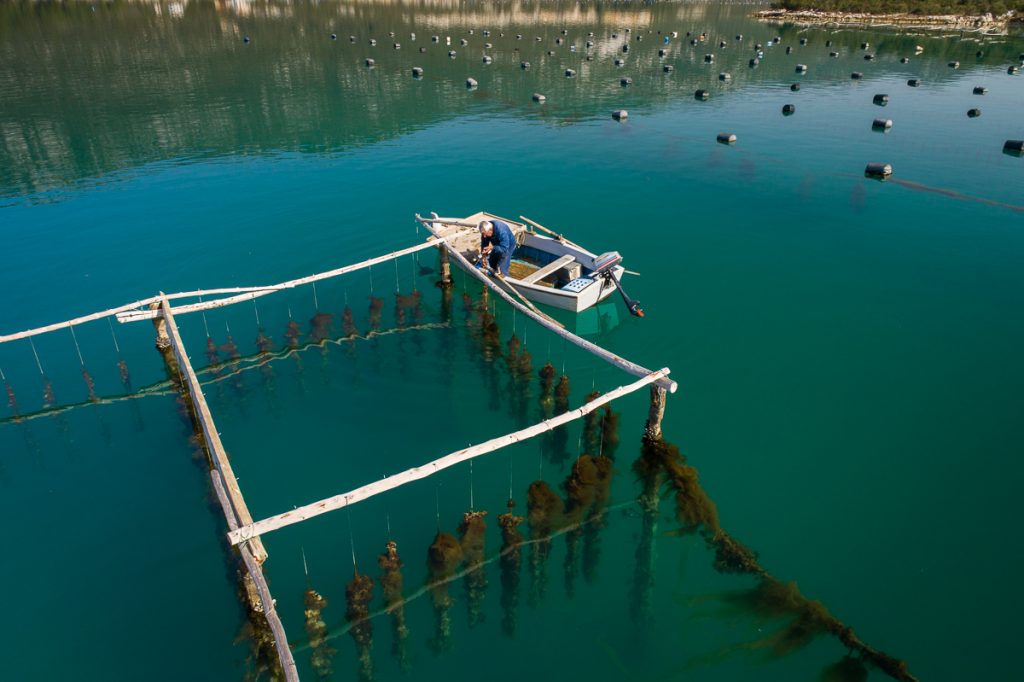
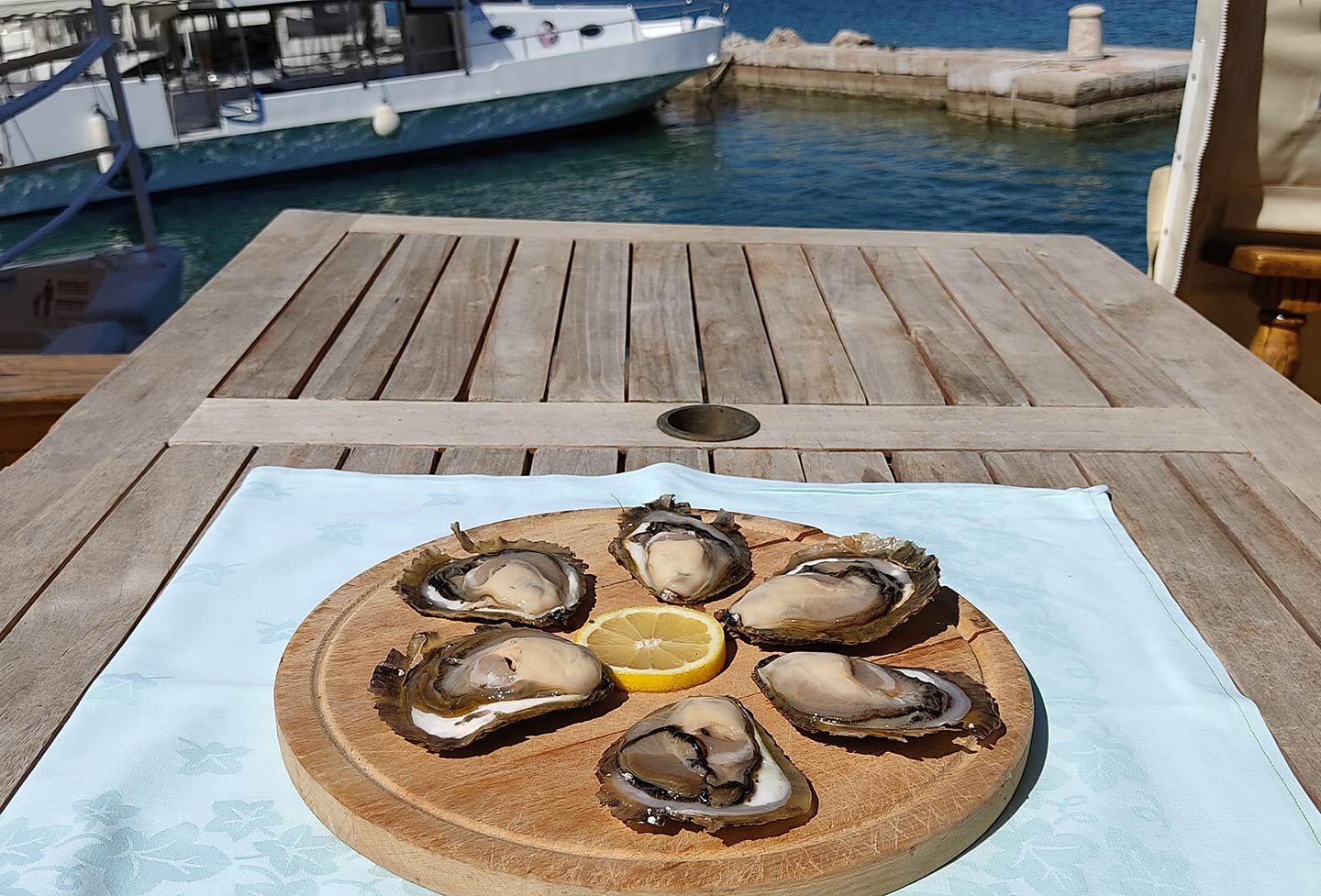
These wooden rafts serve as the primary site for the mali ston oyster tasting. The structures allow for immediate harvest and fresh service right on the water.
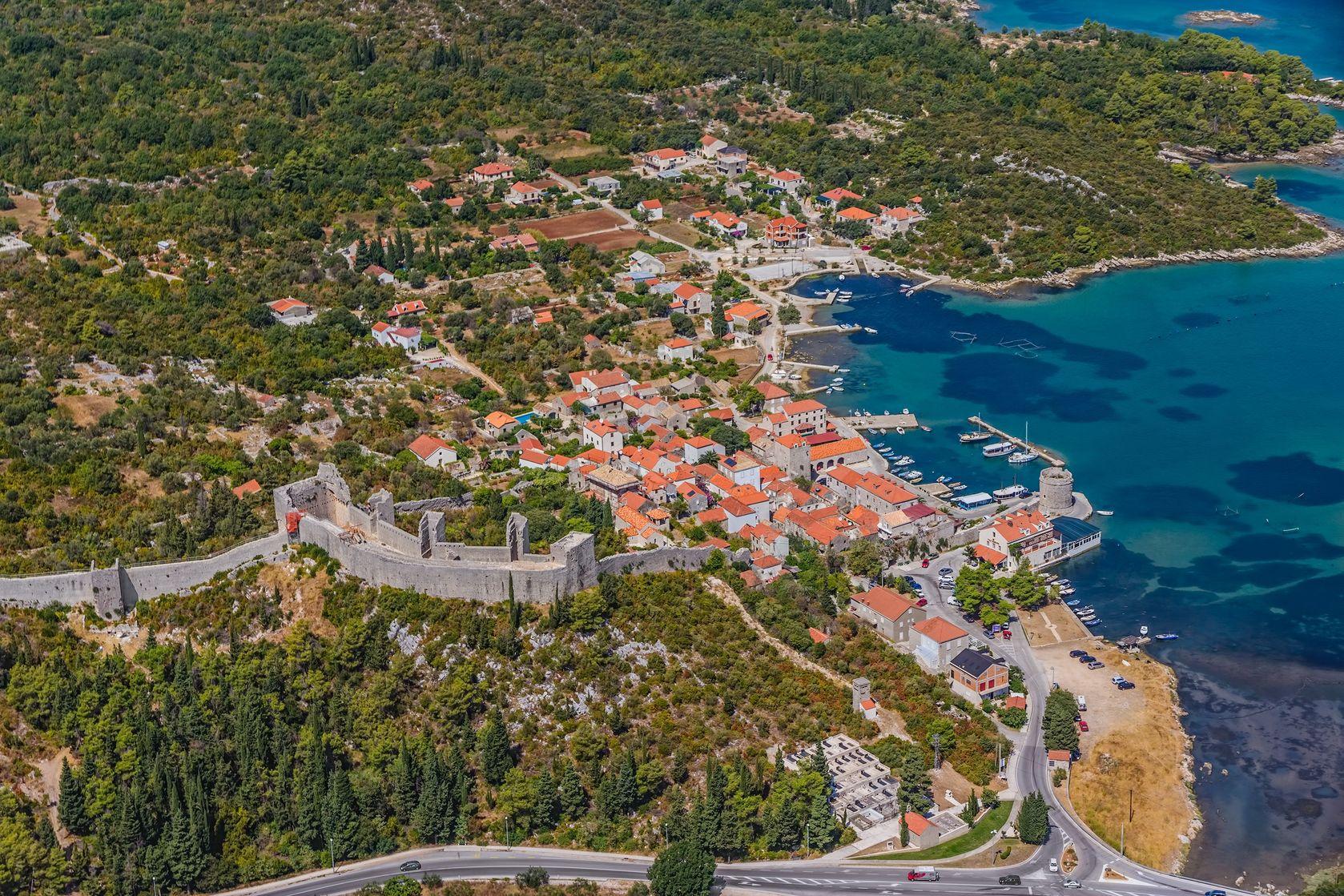
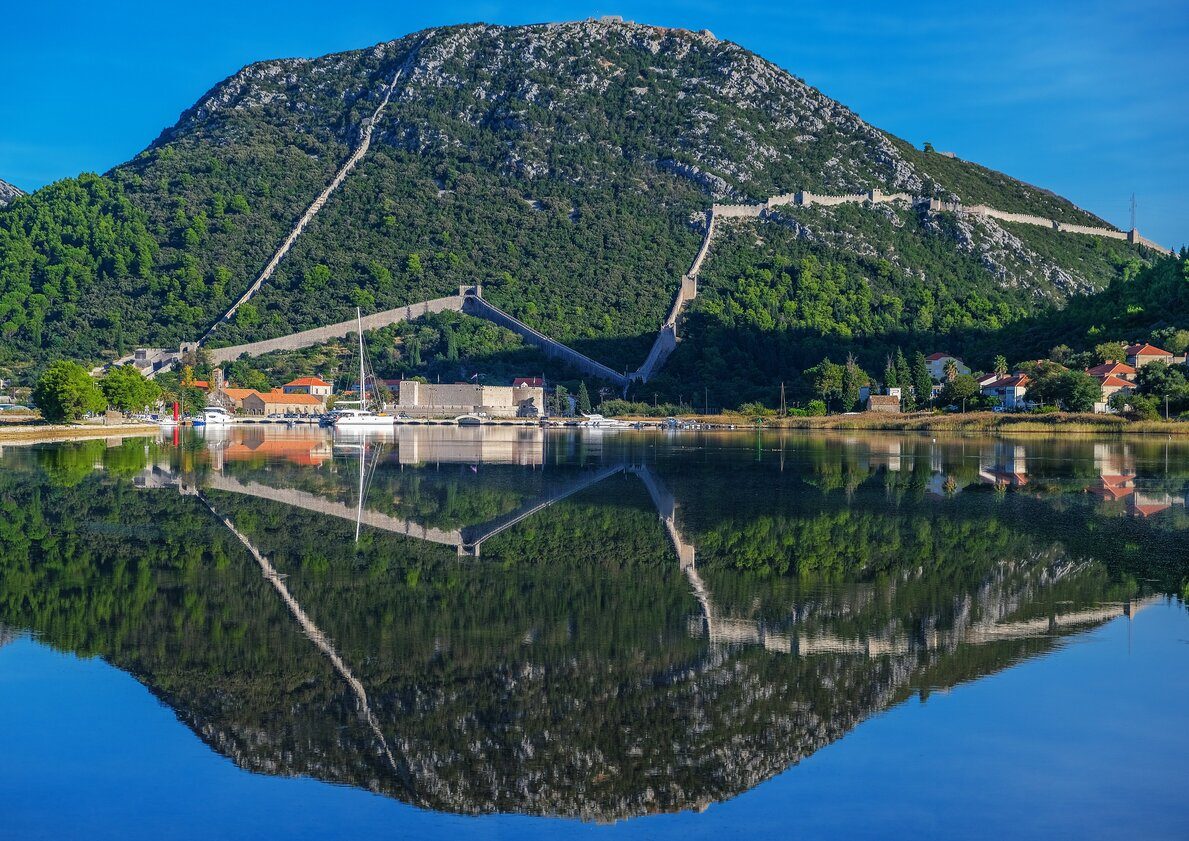
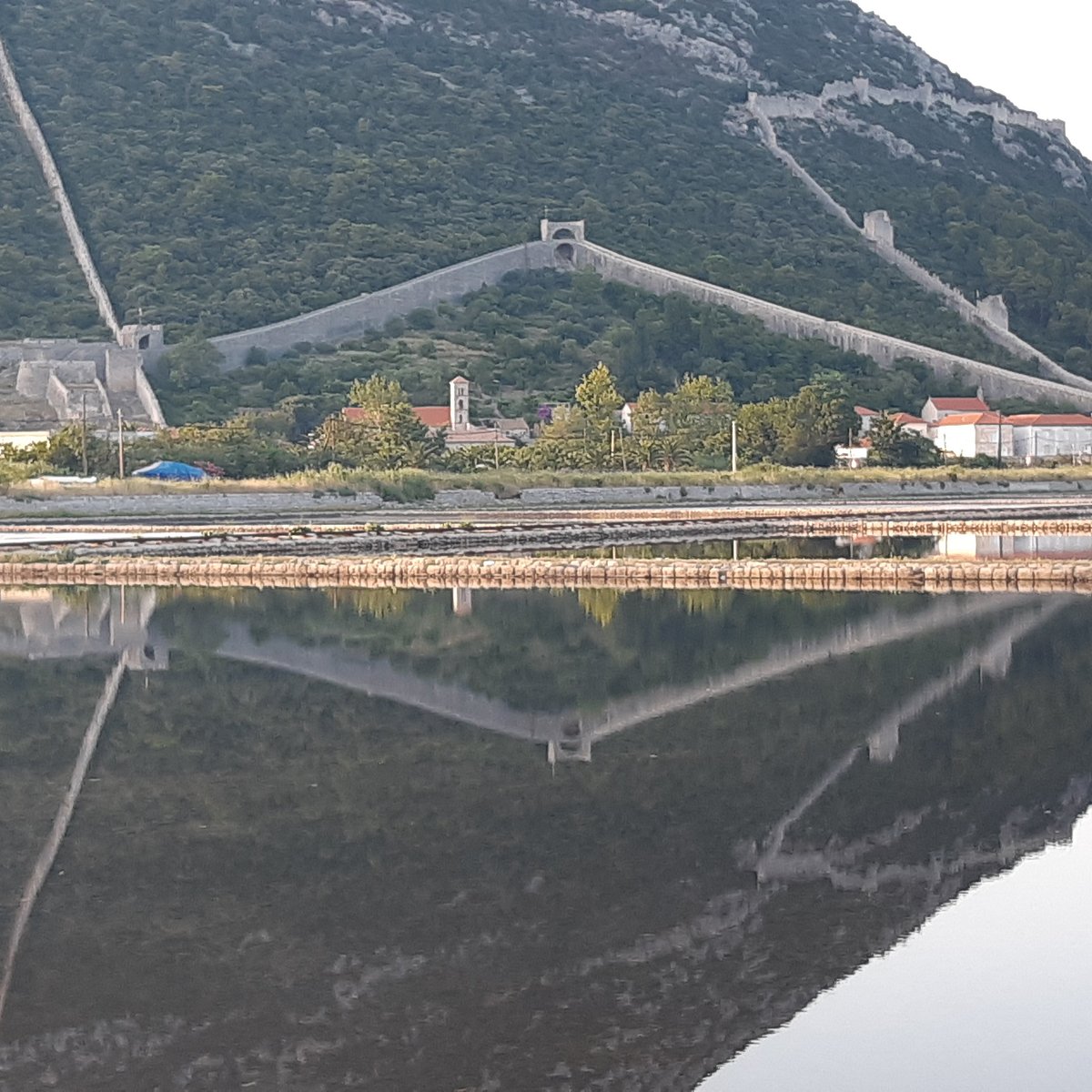
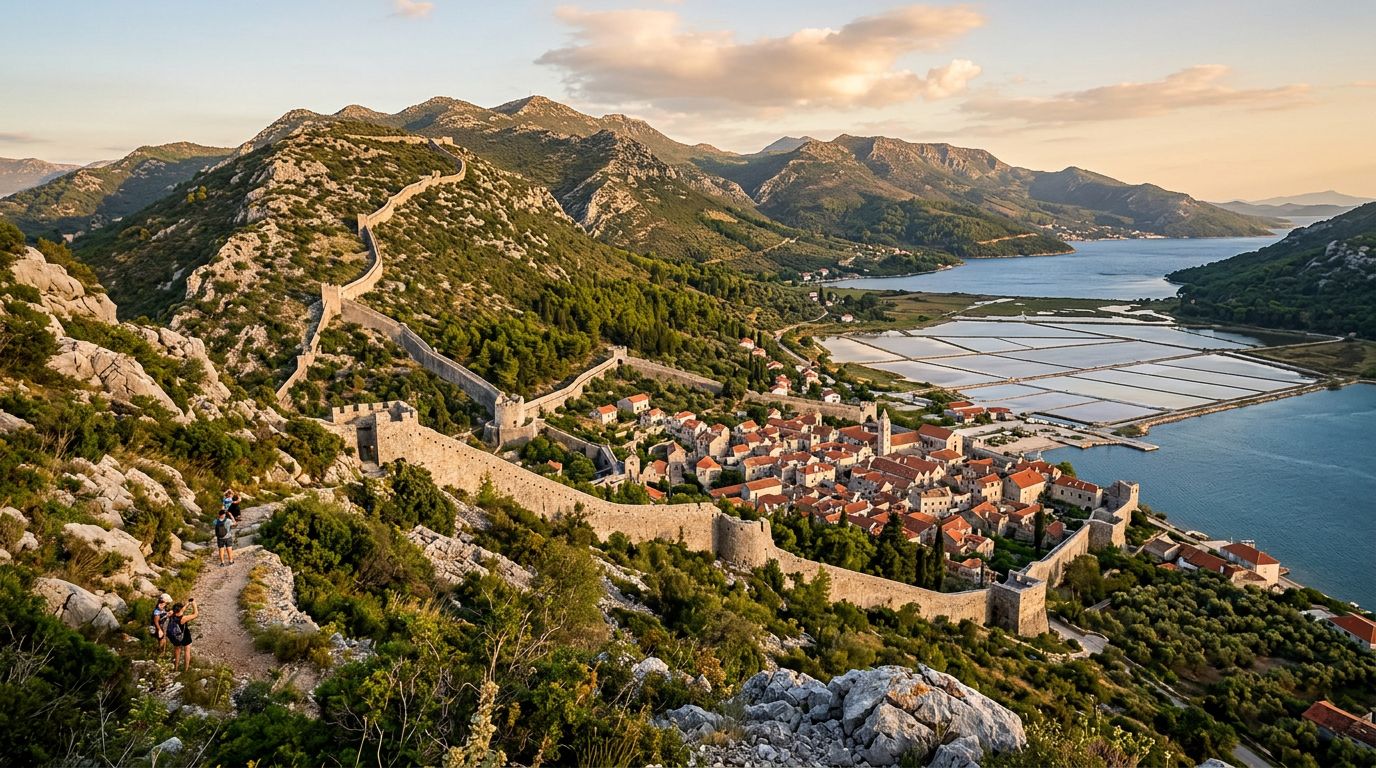
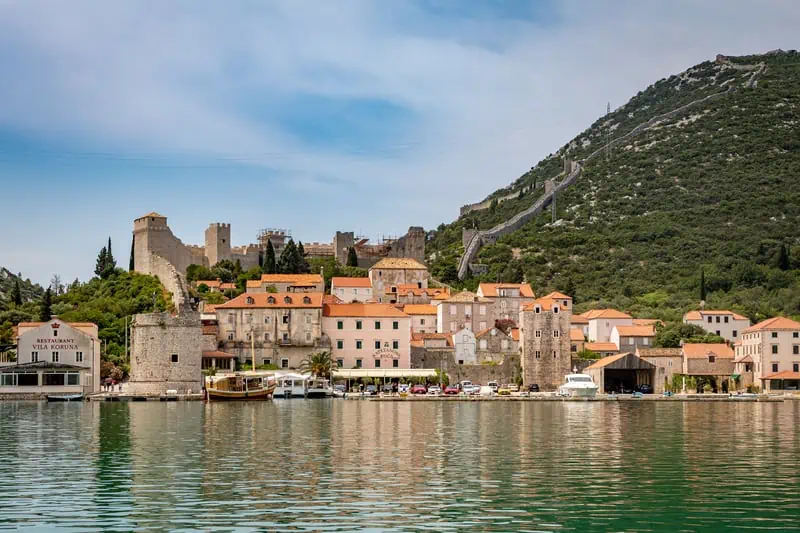
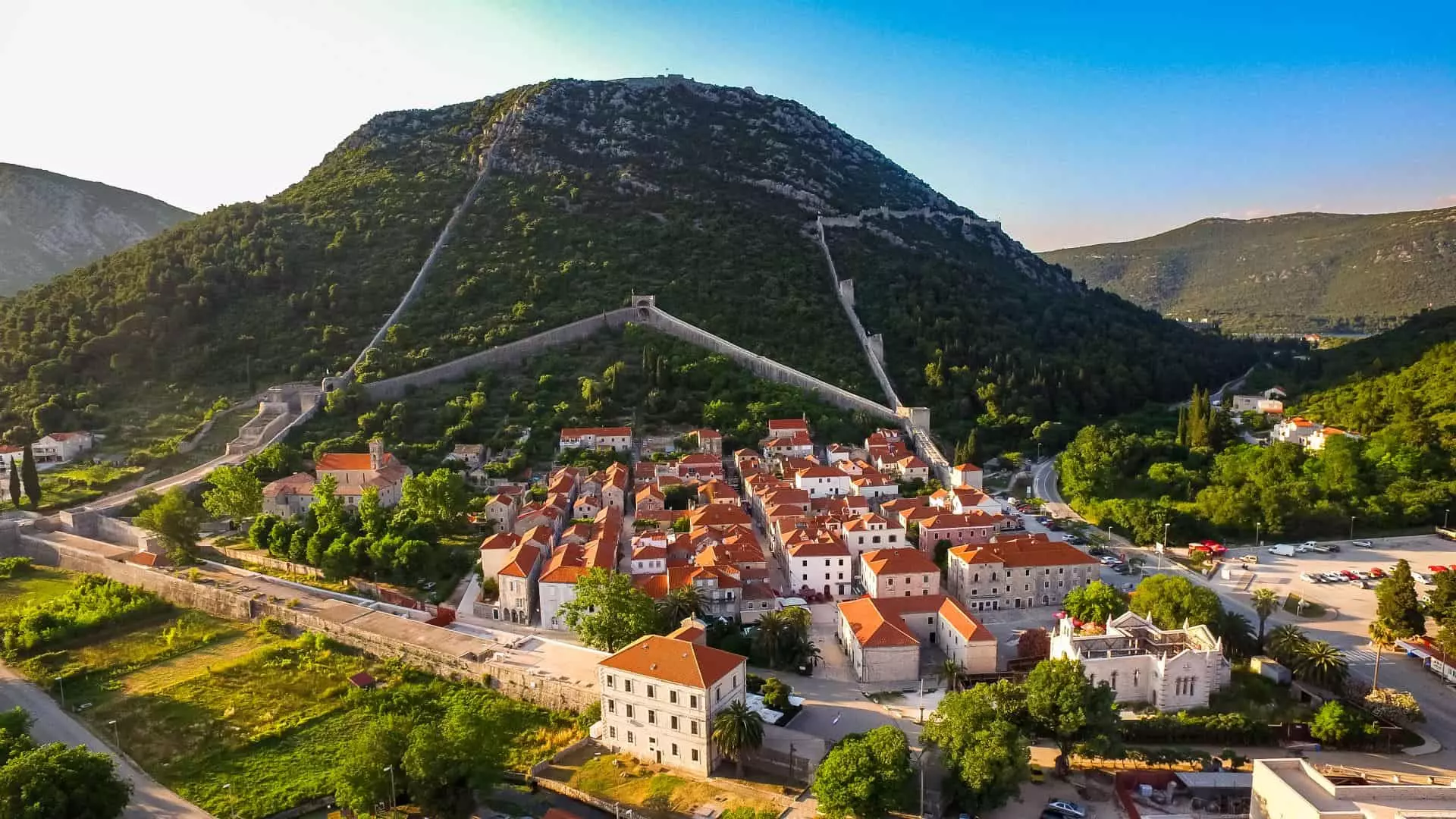
Visible from the water, these medieval fortifications once protected the region's valuable salt and oyster trade. They are a defining landmark of the Ston area.
The bay features specific brackish water conditions created by underwater springs. This unique environment is what gives the bivalves their distinct profile.
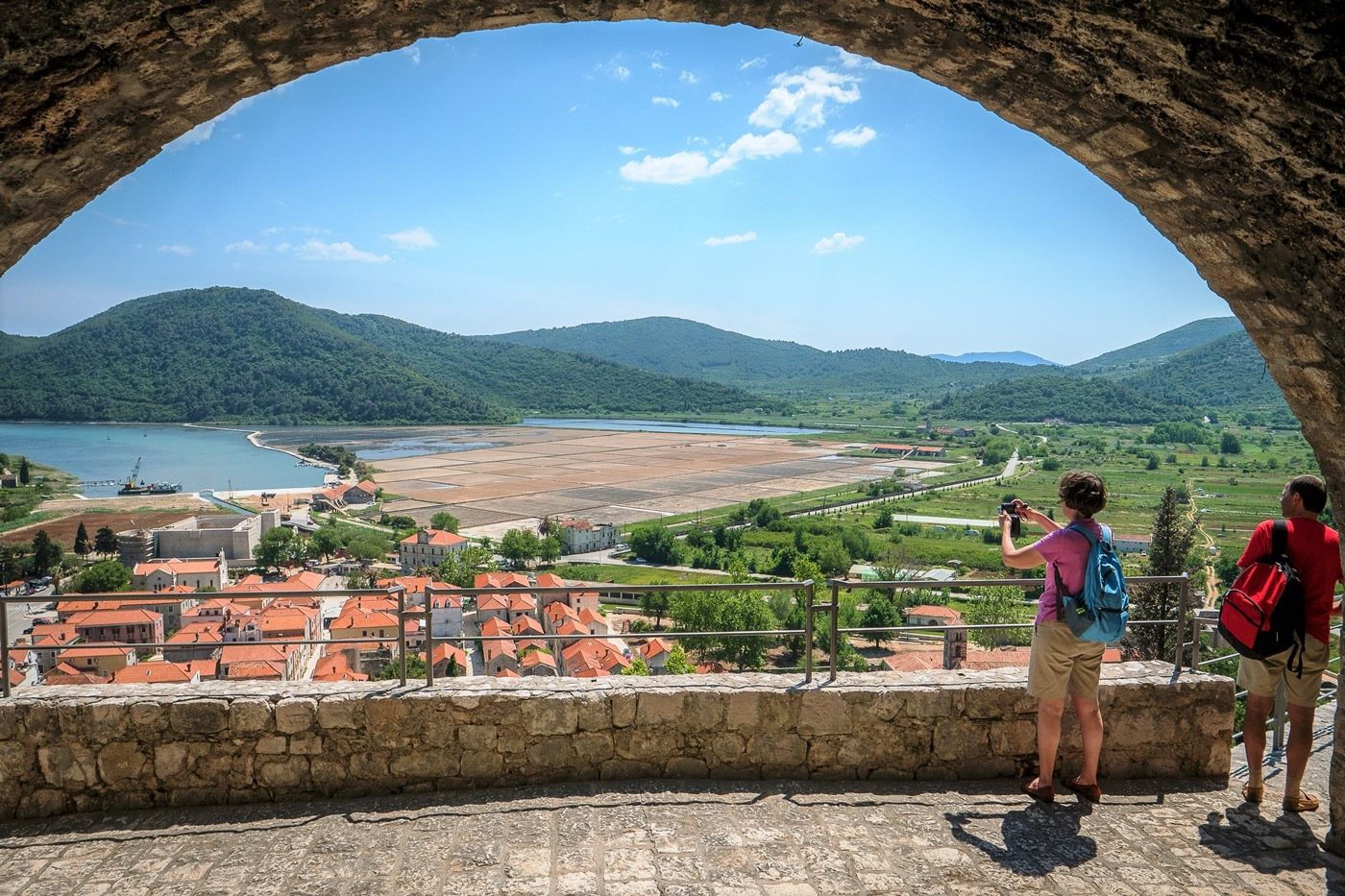
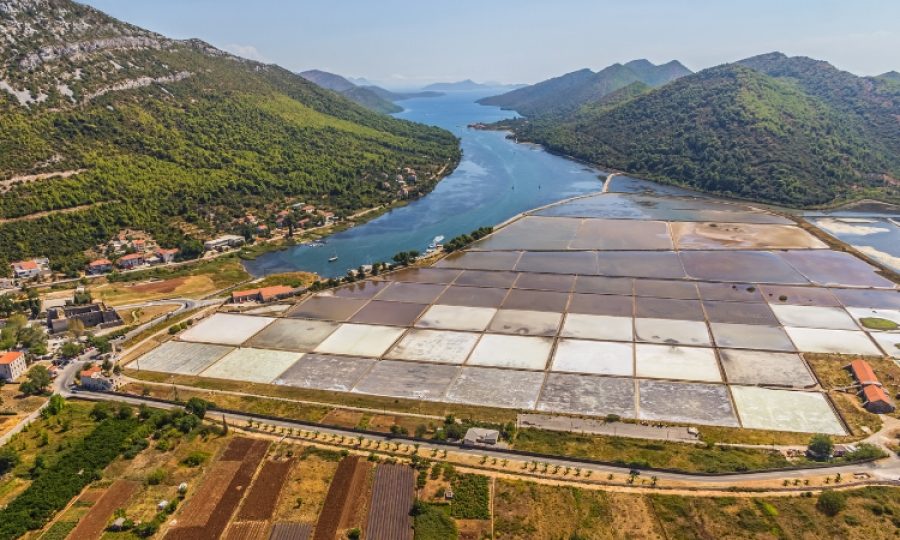
While separate from the farm, the centuries-old salt pans are linked to the history of the bay. They provide a beautiful backdrop for your visit.
You reach Mali Ston by the coast road and park where the walls run down to the water. Entry to the village and its shoreline costs nothing; Mali Ston oyster tasting tickets are what get you out onto the bay.
Arrive between 09:00 and 12:00, when the light sits low over the channel and the sea stays calm enough to make the raft platforms steady underfoot.
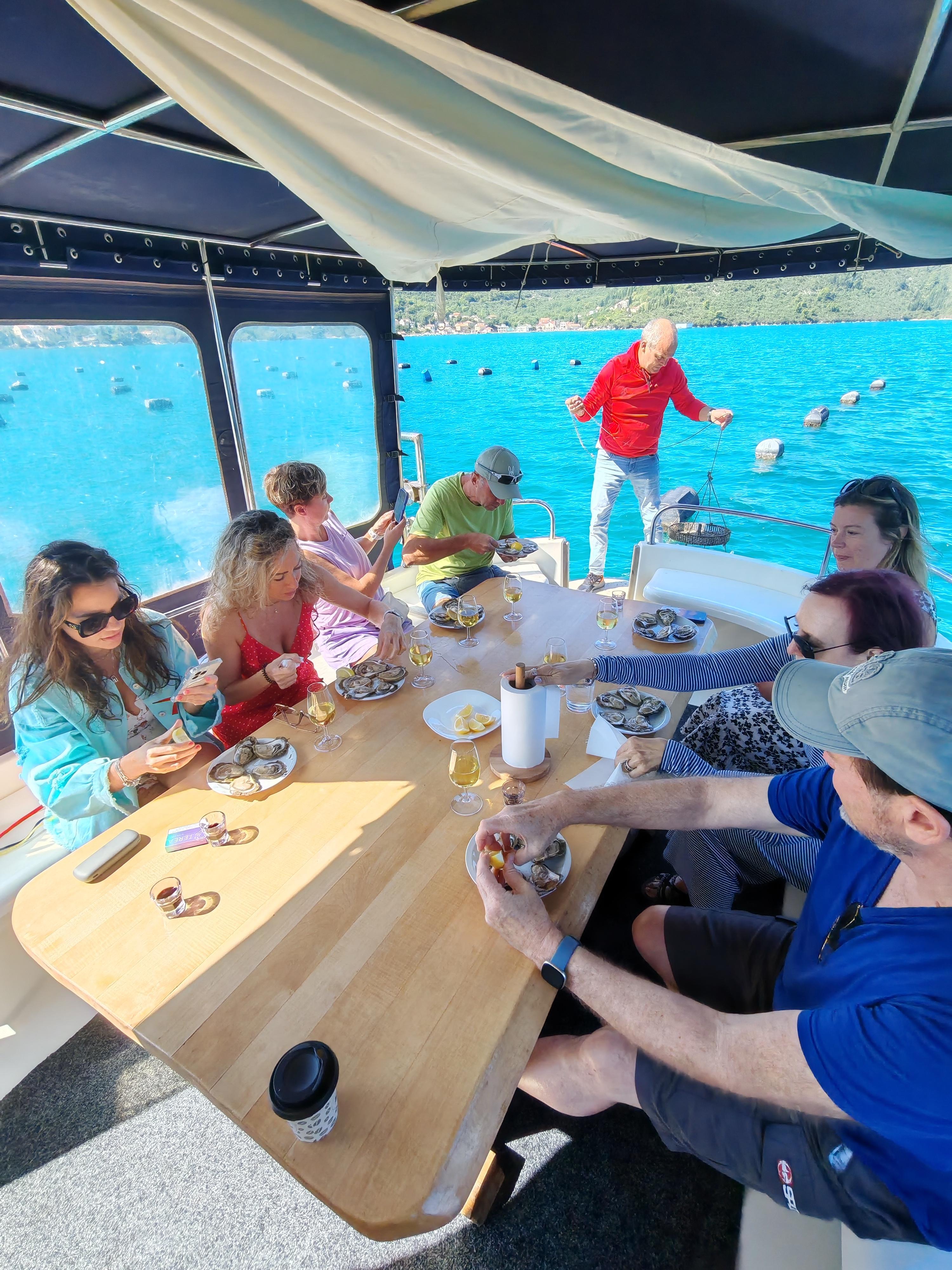
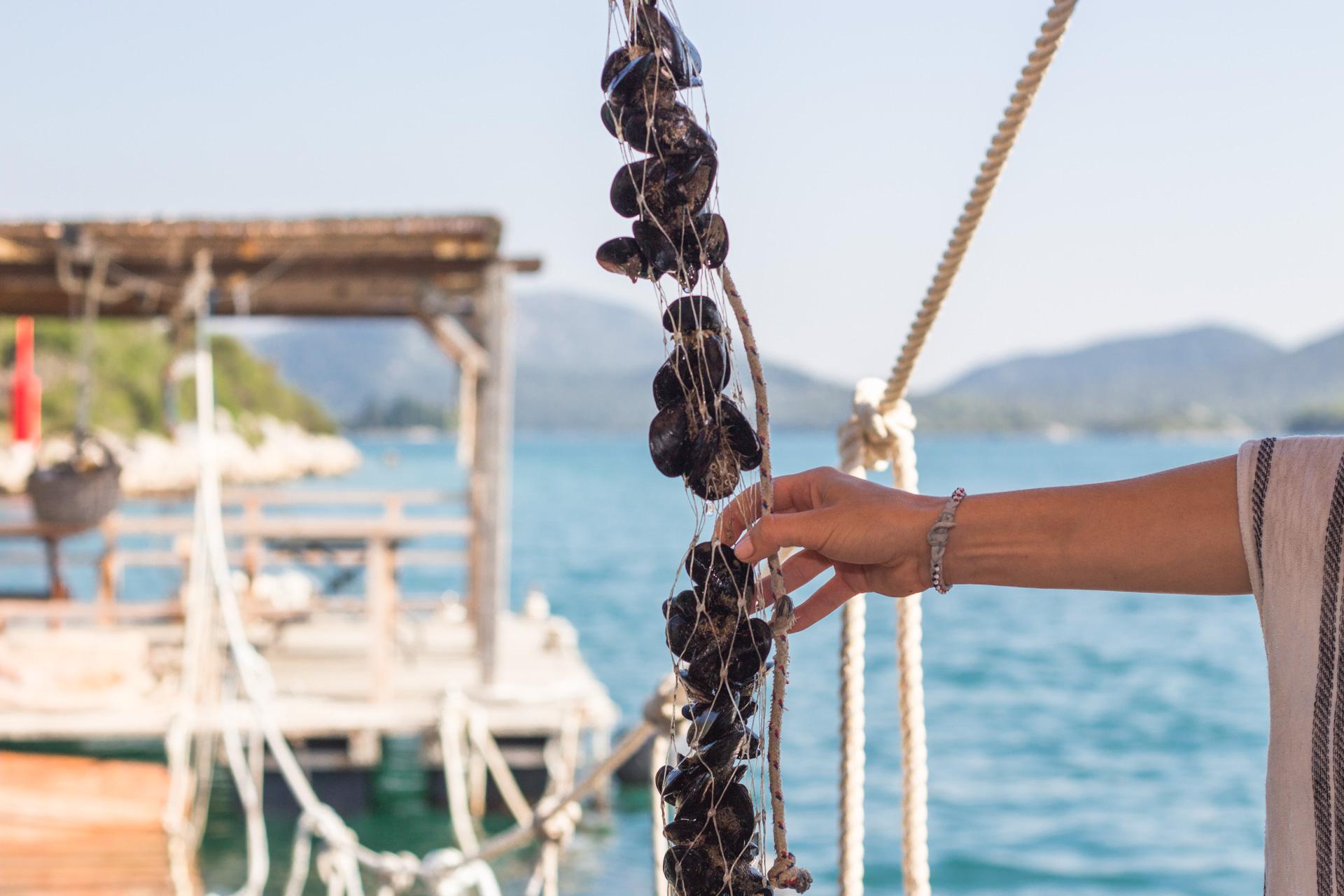
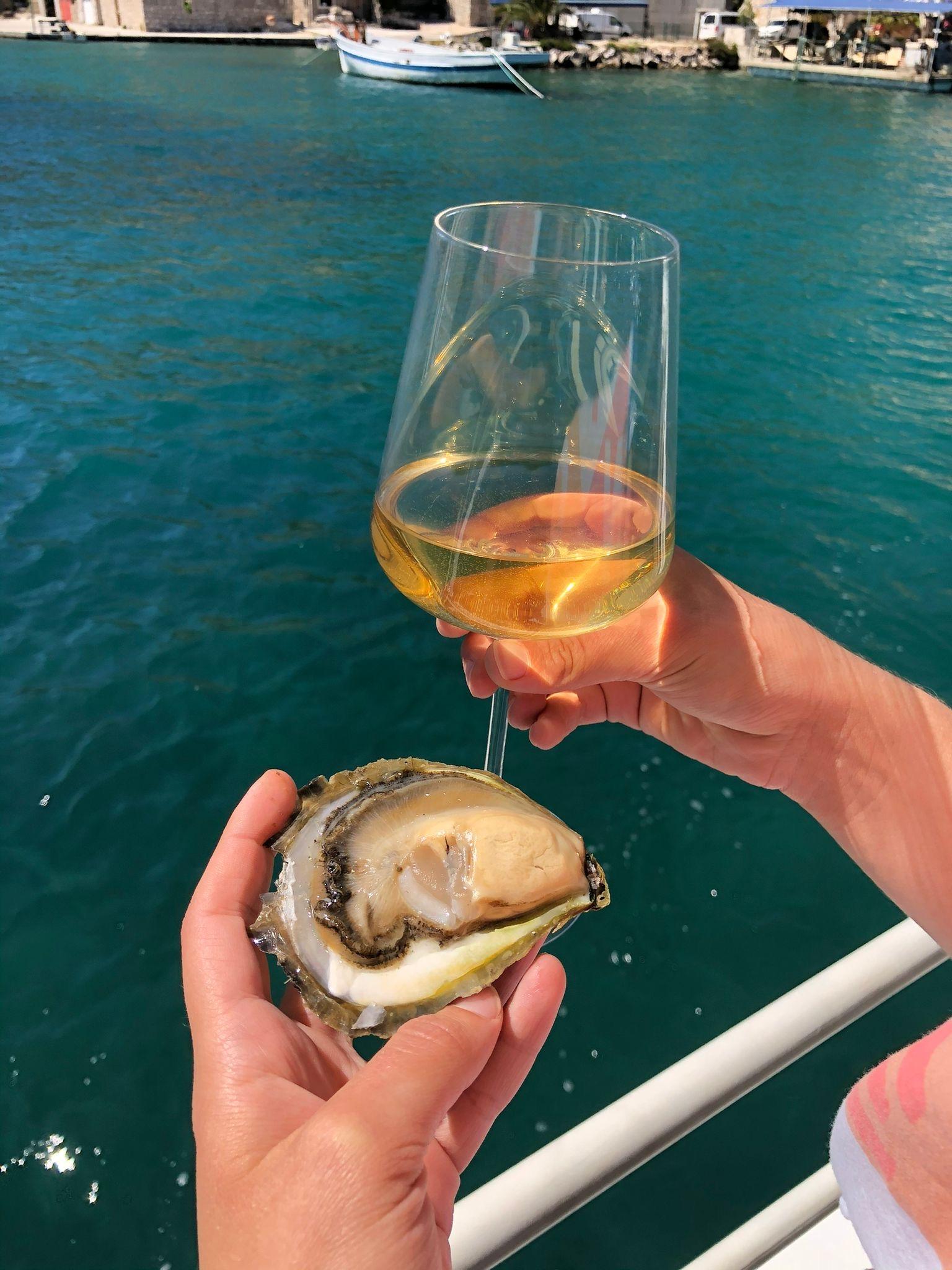
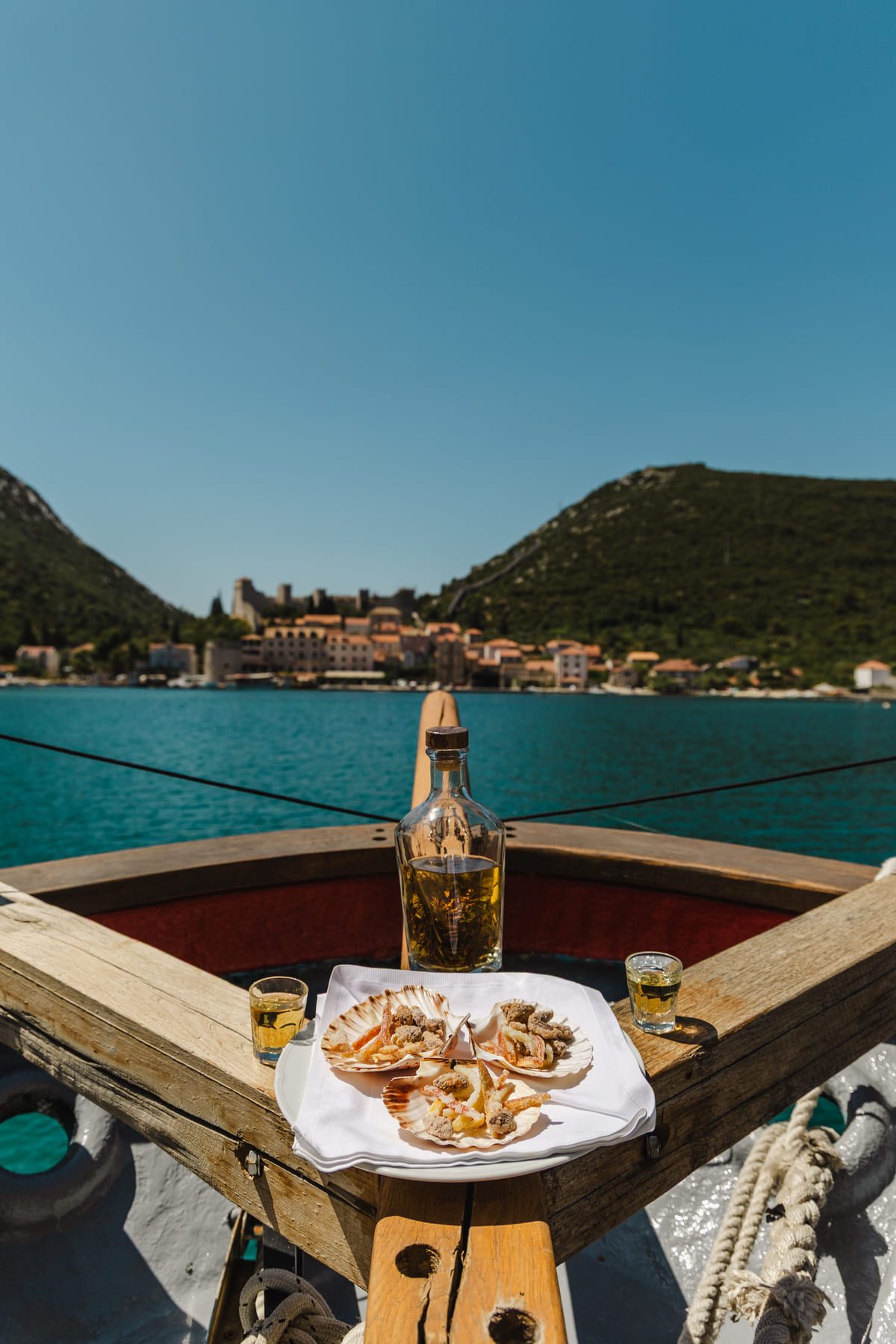
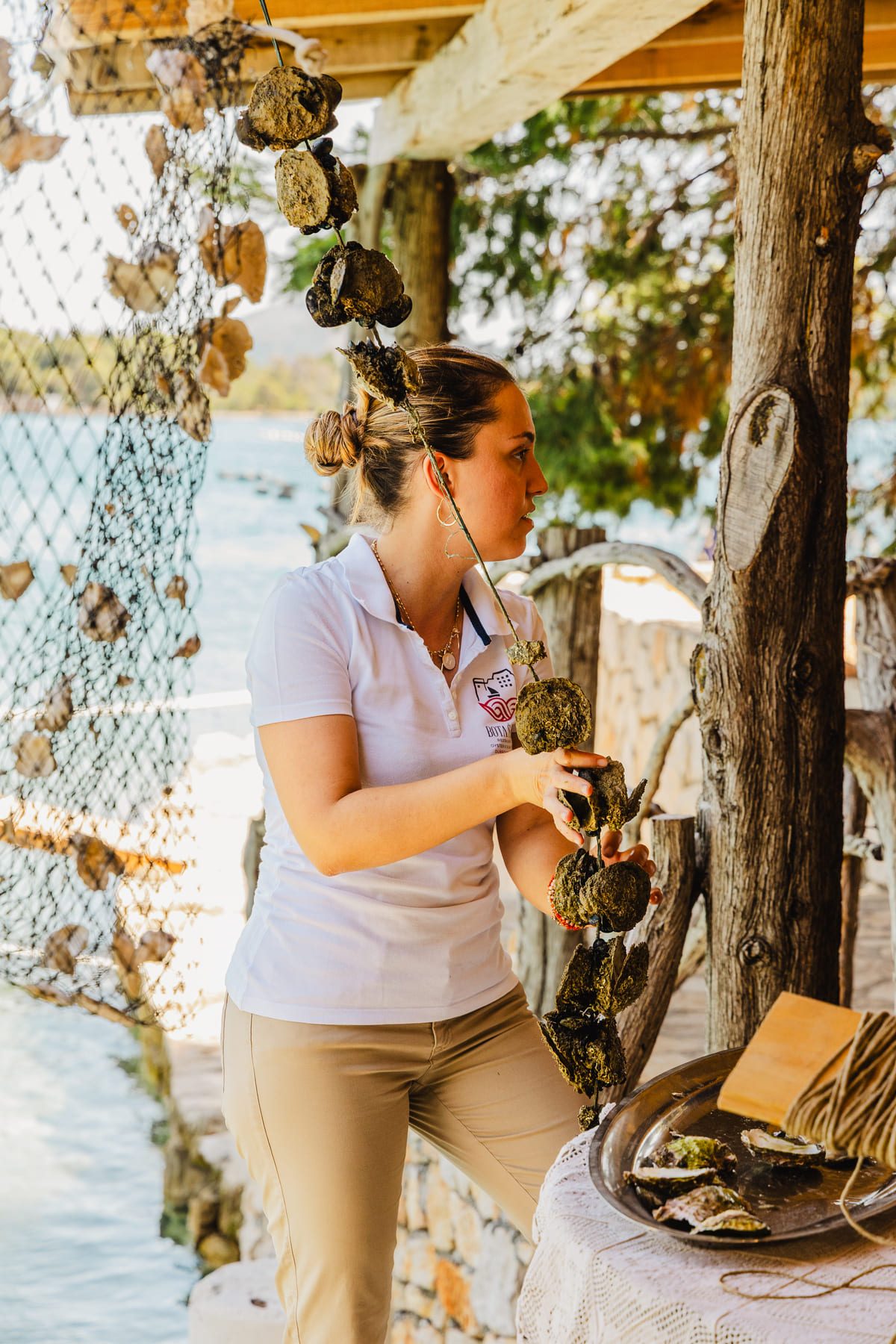
A skipper runs you out to the timber frames moored offshore. You watch a rope come up dripping, clusters of shell and weed hanging from it, and a short knife go in at the hinge. The first oyster reaches you within a minute of leaving the water, still cold, the liquor unspilled. You tip it back with lemon and nothing else. A second follows, then a third, the shells stacking in a bucket at your feet while mussels in buzara sauce arrive in a shared pot and a glass of Plavac Mali or Pošip is poured on the boards beside you.
Back ashore, you rinse your hands, cross the salt pans, and climb a stretch of the 5.5-kilometre wall. The bay flattens out below, rafts pinned by white floats, and the taste holds metallic on your tongue for the rest of the morning.
All the details about your upcoming adventure in one place
Mali Ston oysters took gold at the 1936 International Fair in London, judged beside entries from Brittany and Galicia. The species behind that verdict is Ostrea edulis, the European flat oyster, and a Mali Ston oyster tasting still turns on it alone. No Pacific rock oyster is farmed in this bay.
The stock is native, spawned in place, and harvested at roughly three years.
Ston's shellfish record predates the medals. Roman villae rusticae stood along the Bistrina inlet, and amphora fragments and settling tanks have been recovered from the shallows. From 1333 the Republic of Ragusa held the isthmus outright, drawn less by shellfish than by salt: the Ston saltworks, still worked in five evaporation basins, financed the 5.5 kilometres of defensive wall that climb Podzvizd hill above the water. The circuit remains one of the longest preserved fortification systems in Europe. Oysters were carried north to Dubrovnik's table as tribute, and records of that trade survive in Ragusan archives from the fifteenth century.
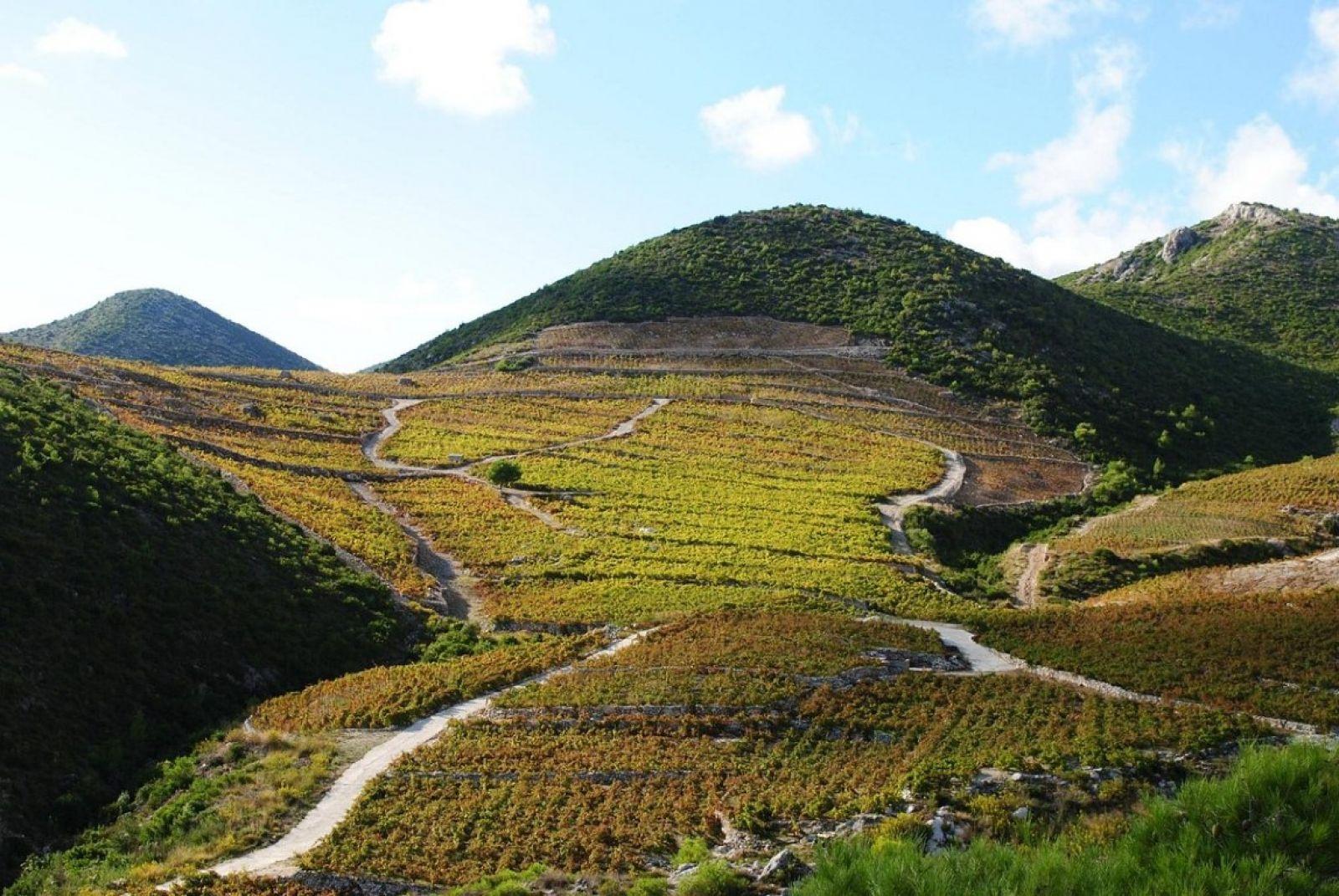
The bay itself explains the flavour. Freshwater karst springs surface along the Pelješac shore and beneath the seabed, dropping salinity, while the Neretva delta pushes nutrients south. Growers suspend spat on ropes strung from timber rafts, and shells thicken slowly in water that shifts between brackish and fully marine. A Mali Ston oyster tasting tour is, in practice, a reading of that water: the metallic finish, the long mineral close, the absence of the sweetness common to warmer beds. The bay has held protected status since 1983.
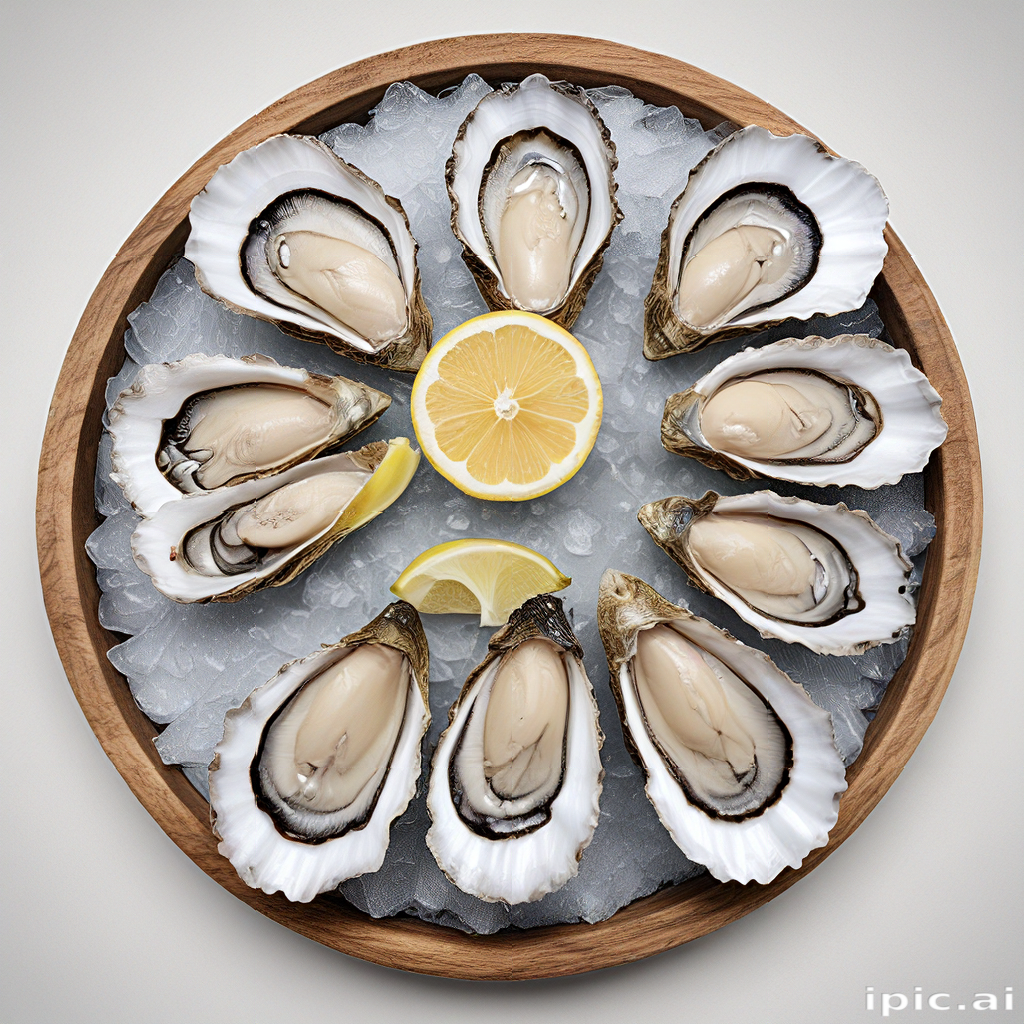
What reaches the plate is deliberately unadorned. Shucking is done at the raft or the counter, the flat upper shell lifted away so the deep cup keeps its liquor. Local practice is a squeeze of lemon and nothing else — no mignonette, no horseradish — so the brine carries. Beside the oysters comes Mytilus galloprovincialis, the Mediterranean mussel, cooked buzara-style with garlic, parsley and white wine, and often a plate of salted anchovies. The wine follows from the same peninsula: Plavac Mali off the Dingač and Postup slopes, and the paler Pošip from further along the coast. Croatian menus list the whole ritual as degustacija kamenica. Understood that way, Mali Ston oyster tasting tours are less a boat outing than a regional table — shellfish, salt and vineyard stitched into a few square kilometres of drowned karst.

The bay itself explains the flavour: karst springs drop the salinity, and the shells thicken slowly.
Casual and practical attire is recommended for this culinary excursion. Wear non-slip shoes suitable for boat decks and uneven harbor terrain.
Small personal bags are permitted on the vessel. Large luggage cannot be accommodated on standard farm boats.
Photography is permitted throughout the farm tour. Tripods are generally prohibited on the boats due to limited space.
Children are welcome on these maritime excursions. Life vests are provided for all young guests to ensure safe participation.
The harbor areas have steps, and boat boarding may require navigating small gaps. Guests with mobility issues should contact the operator before booking.
The tour includes fresh bivalves and regional wine. Guests should not bring outside food onto the oyster cultivation platforms.
Opening Hours
09:00–18:00
Address
Mali Ston, 20230, Ston, Croatia
Accessibility
Boat tours require physical mobility for boarding
Best arrival
09:00–12:00
Storage
Not available at the oyster farm site
Navigation
Mali Ston village center access
Car · 45m from Dubrovnik · Paid parking lots available.
Follow D414 road to Ston. Parking is available at the village entrance.
Public transport · 1h 30m · Moderate cost.
Take the Libertas bus line from Dubrovnik. Alight at the Ston bus terminal.
Full refunds are available for cancellations made at least 24 hours prior to the booked mali ston oyster tasting. Cancellations within 24 hours are non-refundable as the booking fee covers reserved boat and harvest logistics.
Recommended time
Half a day
A well-planned mali ston oyster tasting allows you to savor local delicacies while observing the calm sea conditions typical of the best arrival window of 09:00–12:00. Allocating several hours ensures a relaxed pace as you transition from boat-based farm exploration to fresh shellfish consumption. Visitors seeking to secure mali ston oyster tasting tours should prioritize the morning, as crowds gradually build toward the afternoon. Those looking for mali ston oyster tasting tickets for specific waterfront experiences will find that mid-day serves as the peak, making early arrivals advantageous for a quieter sea-to-table session.
Crowd levels through the day
Weather · crowds · average price — dots go green to amber to red as each metric rises.
Mild temperatures make for comfortable boat travel. Fewer crowds offer a relaxed pace for tasting.
Peak season for warm Mediterranean sun. Early morning bookings are essential for calmest waters.
Harvest conditions remain ideal through October. Enjoy quieter farm visits as temperatures drop.
Limited operations based on weather. Tastings are generally restricted to indoor harbor locations.
Secure your mali ston oyster tasting tickets online to guarantee a spot. Availability during the summer months is highly limited.
Sea breezes can be cool even in August. Bring a light windbreaker for the boat ride.
High UV levels are common. Use protection during the open-air segment of the mali ston oyster tasting tour.
Carry a water bottle for the journey. Fresh water helps cleanse the palate between tastings.
Boat operations depend on sea conditions. Always confirm your status with the provider if winds are strong.
Oysters have been drawn from the Bay of Mali Ston since antiquity. Roman settlers gathered Ostrea edulis, the European flat oyster, from the brackish shallows where the Neretva's freshwater meets the Adriatic. The species is native here, not introduced. That distinction shapes every mali ston oyster tasting served today, because the flavour comes from the bay itself rather than from imported stock. The Republic of Ragusa formalised the trade. In 1333 Dubrovnik acquired the Pelješac peninsula, and Ston became a fortified salt town, its 5.5-kilometre defensive walls begun in 1358. Salt paid for the walls; oysters fed the republic. Ragusan statutes regulated harvesting, and by the sixteenth century shellfish from the bay reached the tables of Vienna and the Habsburg court. Local cultivation on oak branches and stone, a method still recognisable in the racks visible on any mali ston oyster tasting tour, is documented from this period. Recognition arrived formally in 1936, when Ston oysters won a gold medal at the London International Exhibition. The twentieth century then brought interruption. War in the early 1990s halted commerce. On 5 September 1996 an earthquake of magnitude 6.0 struck Ston, damaging the walls and the old salt pans, and reconstruction consumed years. Rebuilding of the shellfish beds followed slowly, family by family. What survives is a working aquaculture landscape rather than a monument. The bay was designated a protected marine area, and its shellfish carry protected designation status within Croatia. Harvest peaks in spring, and the feast of Saint Joseph on 19 March remains the traditional day of celebration. Modern mali ston oyster tasting tours and Ston shellfish farm tours are run by the same families who replanted the beds. Booking mali ston oyster tasting tickets today means eating a product whose recipe has changed less than almost anything else on this coast.
Roman settlers harvest native European flat oysters from the brackish Bay of Mali Ston.
Dubrovnik acquires the Pelješac peninsula, bringing the oyster beds under Ragusan control.
Construction begins on Ston's fortifications, financed by the salt and shellfish trade.
Ragusan statutes regulate harvesting as Ston oysters reach Habsburg tables in Vienna.
Ston oysters win a gold medal at the London International Exhibition.
Regional conflict halts commercial shellfish trade along the Pelješac coast.
A magnitude 6.0 earthquake damages Ston's walls and salt pans, delaying recovery of the beds.
Family-run farms in the protected bay work the beds and host visitors year-round.
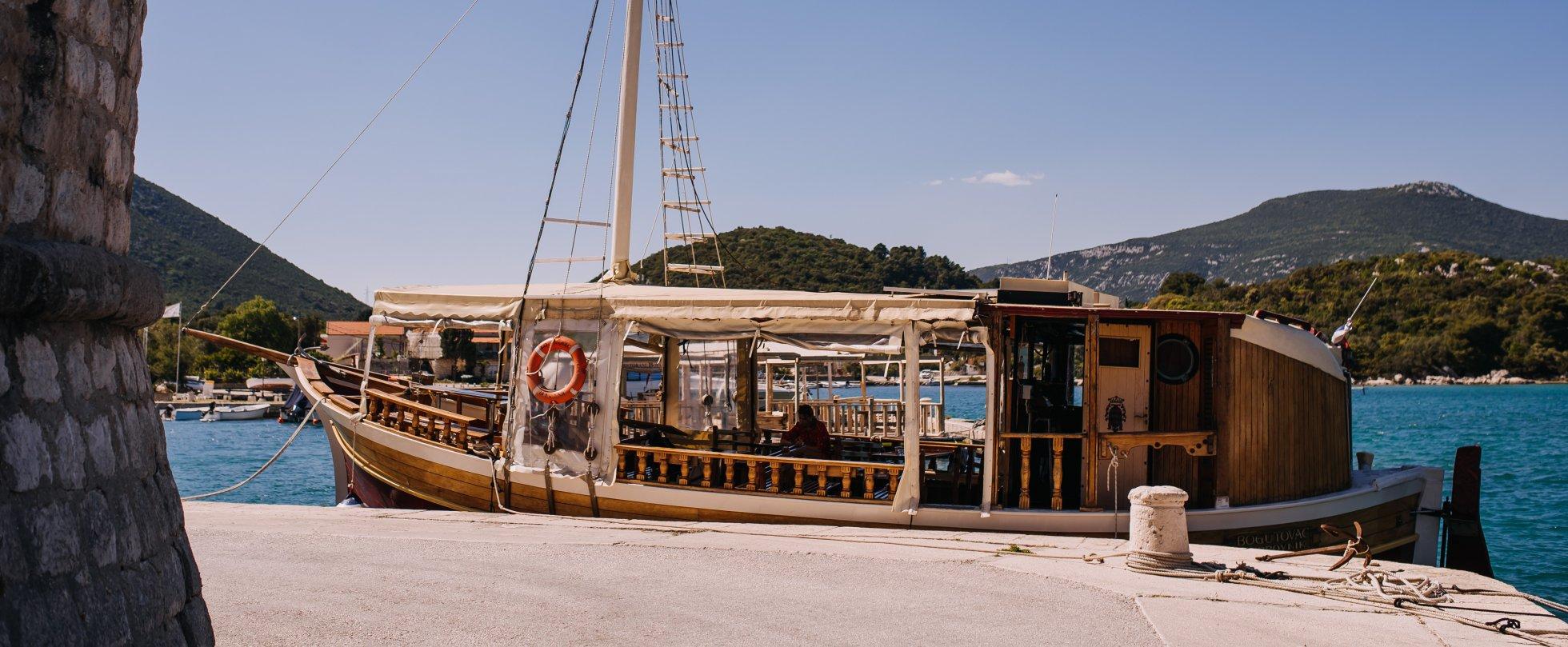
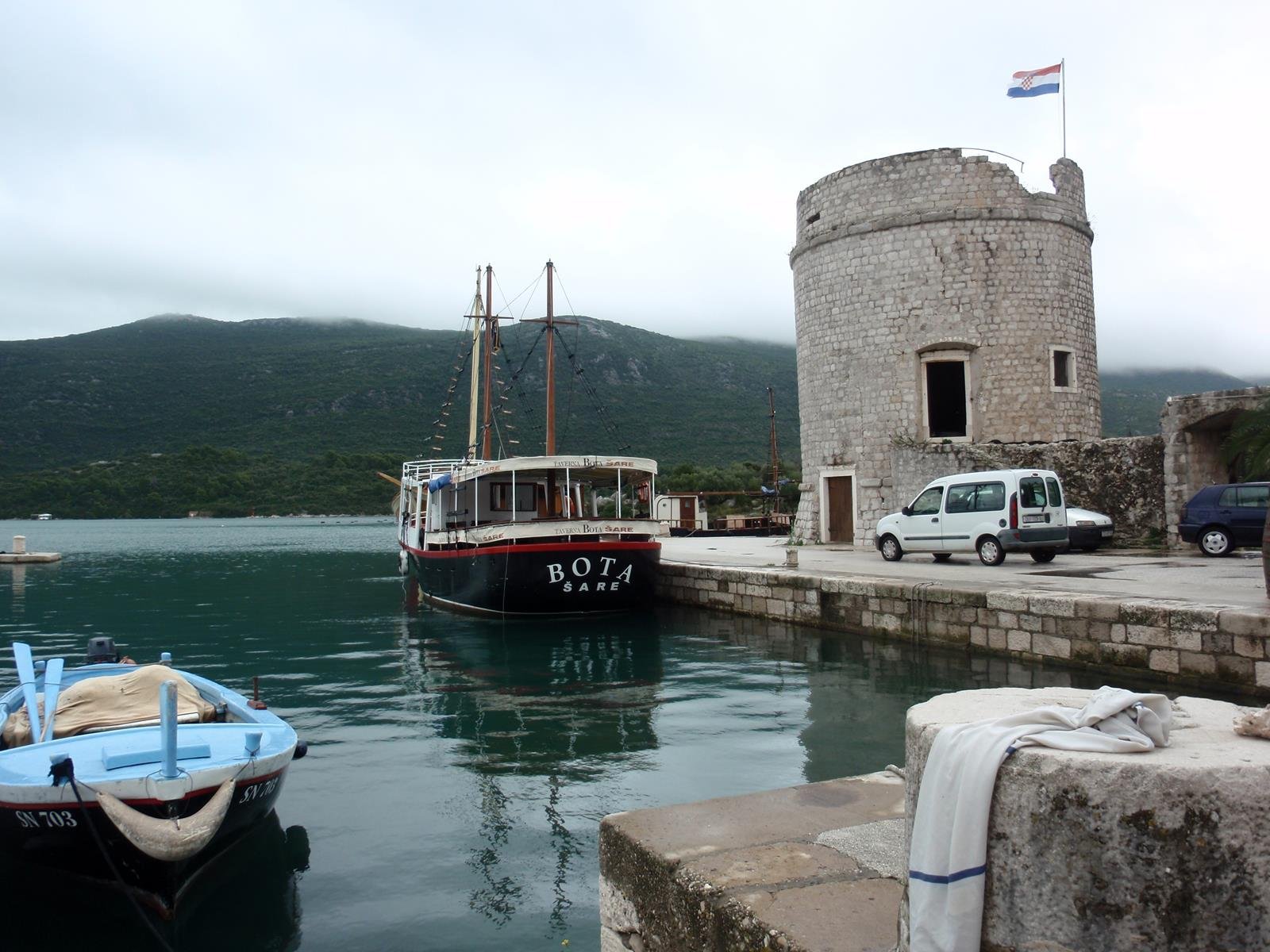
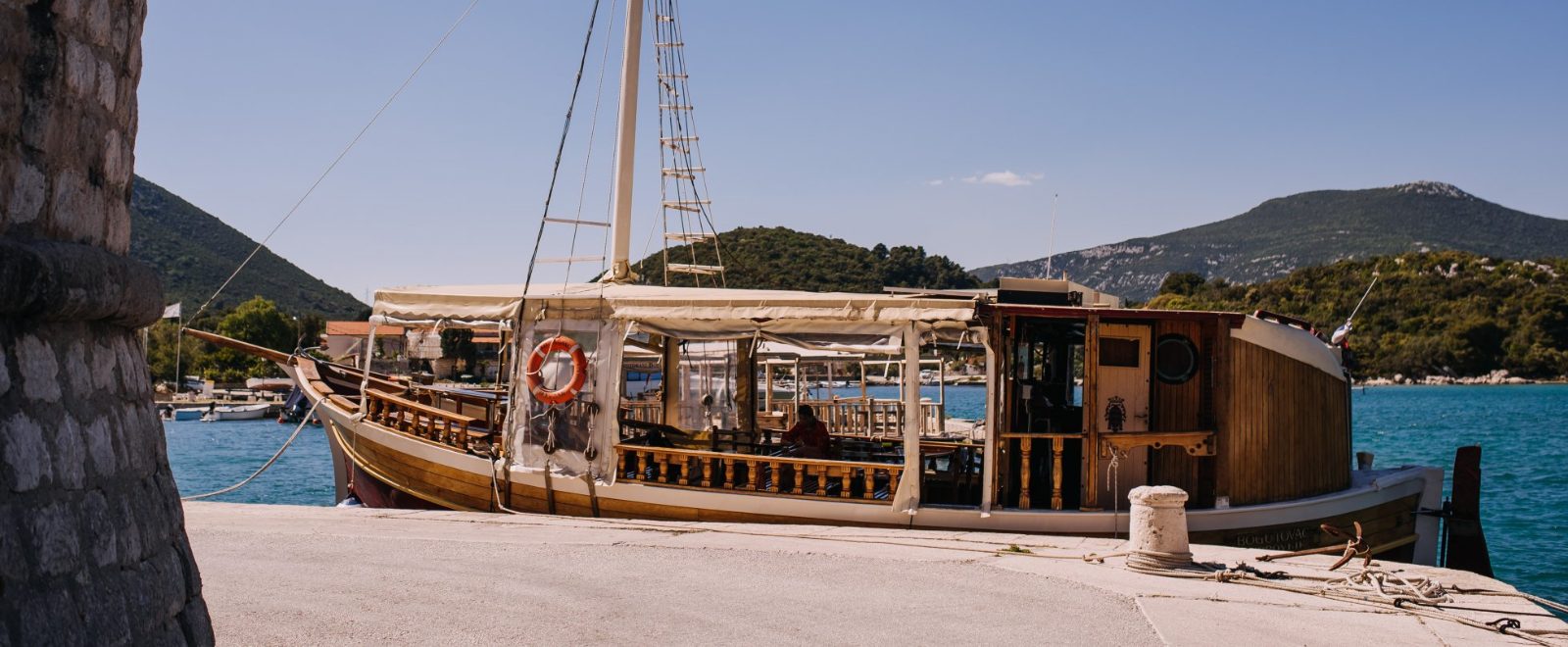
Stand at the edge of the wooden pier to capture the traditional boats docked against the calm bay. This vantage point provides a clear composition of the vessels used during a mali ston oyster tasting session.
From the deck of a tour boat, focus your lens on the floating wooden crates arranged in neat rows across the emerald water. These structures are central to local shellfish cultivation and offer a unique perspective for mali ston oyster tasting tours.
Position yourself on the defensive fortifications overlooking the village to frame the bay, the salt pans, and the distant aquatic farms. This elevated angle is perfect for capturing the scale of the region during a mali ston oyster tasting tour.
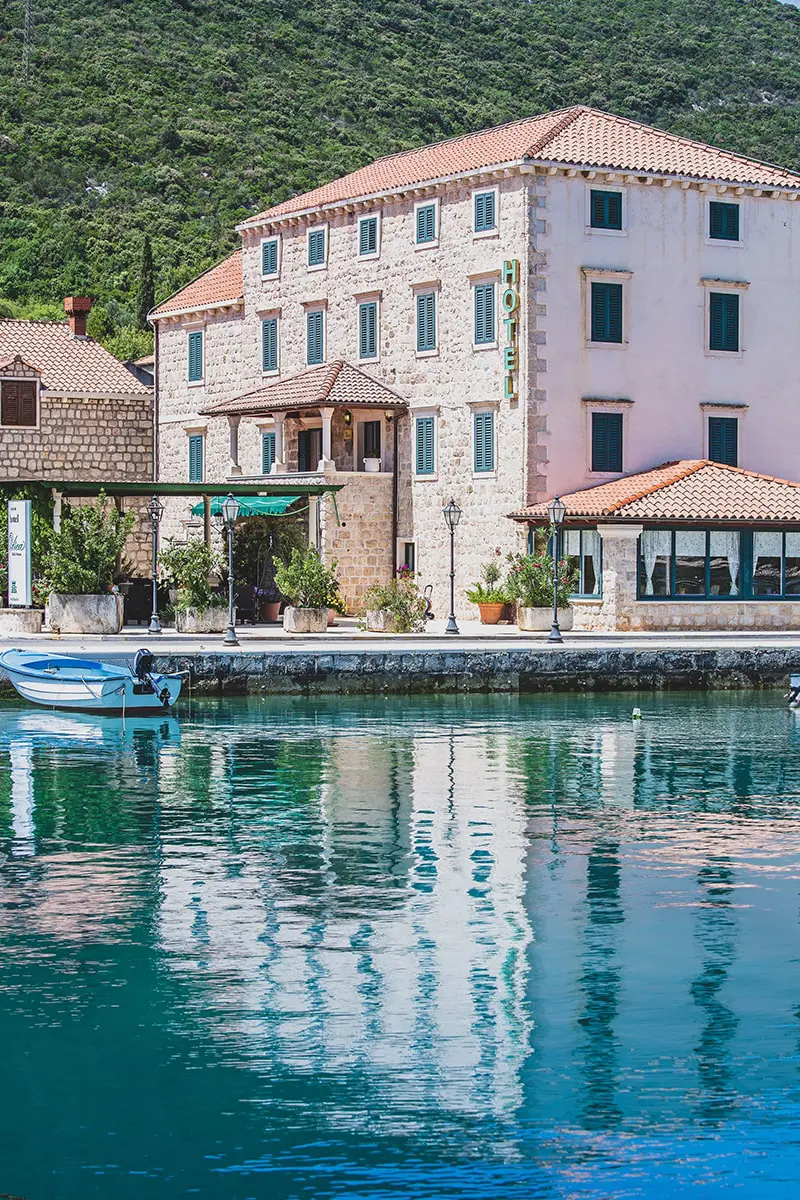
Capture the stone architecture of the village meeting the shoreline where local producers often prepare their catch. This spot emphasizes the connection between the historic masonry and the maritime tradition, essential for those seeking mali ston oyster tasting tickets.
Planning a Mali Ston oyster tasting with children offers a chance to introduce young palates to fresh, local shellfish directly from the source. These Adriatic coastal experiences focus on the salt harvest and bivalve cultivation, providing an educational outing for families.
The village paths are largely paved but can be uneven near the water, so a lightweight stroller or a carrier is recommended for your mali ston oyster tasting tour.
School-aged children often find the boat-based farm tours engaging, while mali ston oyster tasting tours are best suited for those comfortable sitting through a guided culinary demonstration.
Public restrooms are available in the village center, though dedicated baby-change facilities are limited; ensure you are prepared for standard outdoor setting needs when booking your mali ston oyster tasting tickets.
Plan to spend a relaxed afternoon enjoying the harbor views and local maritime history after your scheduled activity.
While shellfish is the star of the local gastronomy, most operators can provide simple bread or local cheese alternatives for younger children during the tasting sessions.
Visitors planning a mali ston oyster tasting will find several authentic konobas within walking distance of the historic salt pans. These waterfront venues specialize in fresh shellfish harvested directly from the bay, offering a perfect setting to complement your local oyster farm tour.
Renowned for traditional Dalmatian seafood recipes and black risotto. It offers a refined atmosphere perfect for those who have completed their mali ston oyster tasting tours.
Everything you need to know for your journey
The Mali Ston area is open daily from 09:00–18:00. Please schedule your mali ston oyster tasting within these operational windows.
Entry to the Mali Ston area is 0 EUR, though specific farm tours and tastings require a paid booking.
Yes, children are welcome on a mali ston oyster tasting tour with guardian supervision. Life jackets are provided for safety.
You should book mali ston oyster tasting tickets online to ensure availability for your preferred date. Official sites provide the most reliable inventory.
The best arrival window is 09:00–12:00 for the calmest sea conditions during your mali ston oyster tasting.
Casual attire with non-slip footwear is best for the boats. Practical clothing is recommended for an outdoor food experience.
Items like large suitcases, drones, and pets are prohibited on the boat. Please check the list for full details.
You can drive to Mali Ston or use local bus services. The harbor is the primary departure point for a mali ston oyster tasting.
Accessibility depends on individual mobility; boat boarding involves uneven surfaces. Contact operators if you have concerns about the mali ston oyster tasting.
Cancellations made 24 hours before the mali ston oyster tasting are eligible for a full refund. Bookings canceled later are subject to the operator's terms.
Historic fortification system dating back to the 14th century.
Traditional sea salt production facility still in operation.
Local religious site within the village.
Located directly in Mali Ston.
Local residential units available for short stays.
Join thousands of happy travelers who have discovered this incredible experience
Book Your Experience Now